Lake Manyara National Park

Northern Tanzania · Safari
Help Me Plan

Lake Manyara National Park: Alkaline Jewel of the Rift Valley

Lake Manyara National Park at a glance:
Location Manyara Region, northern Tanzania (126 km west of Arusha)
UNESCO status UNESCO Biosphere Reserve, designated 1981
Best known for Tree-climbing lions, pink flamingo-covered soda lake, groundwater forest, huge baboon troops
Recommended stay 1 night, or a full half-day/day drive en route to Ngorongoro and Serengeti
Main access Fly into Kilimanjaro (JRO) or Arusha (ARK), then a 1.5 to 2-hour drive via Mto wa Mbu
Pairs well with Tarangire and Ngorongoro, on the same route

Why visit Lake Manyara National Park?

Nestled directly beneath the towering 600-metre sheer wall of the Great Rift Valley escarpment, Lake Manyara National Park packs an astonishing variety of landscapes into a compact 330 square kilometre sanctuary. Two-thirds of the park is covered by the shallow, alkaline Lake Manyara, while the remaining narrow strip of land transitions dramatically from lush groundwater forests to acacia woodlands and open floodplains.

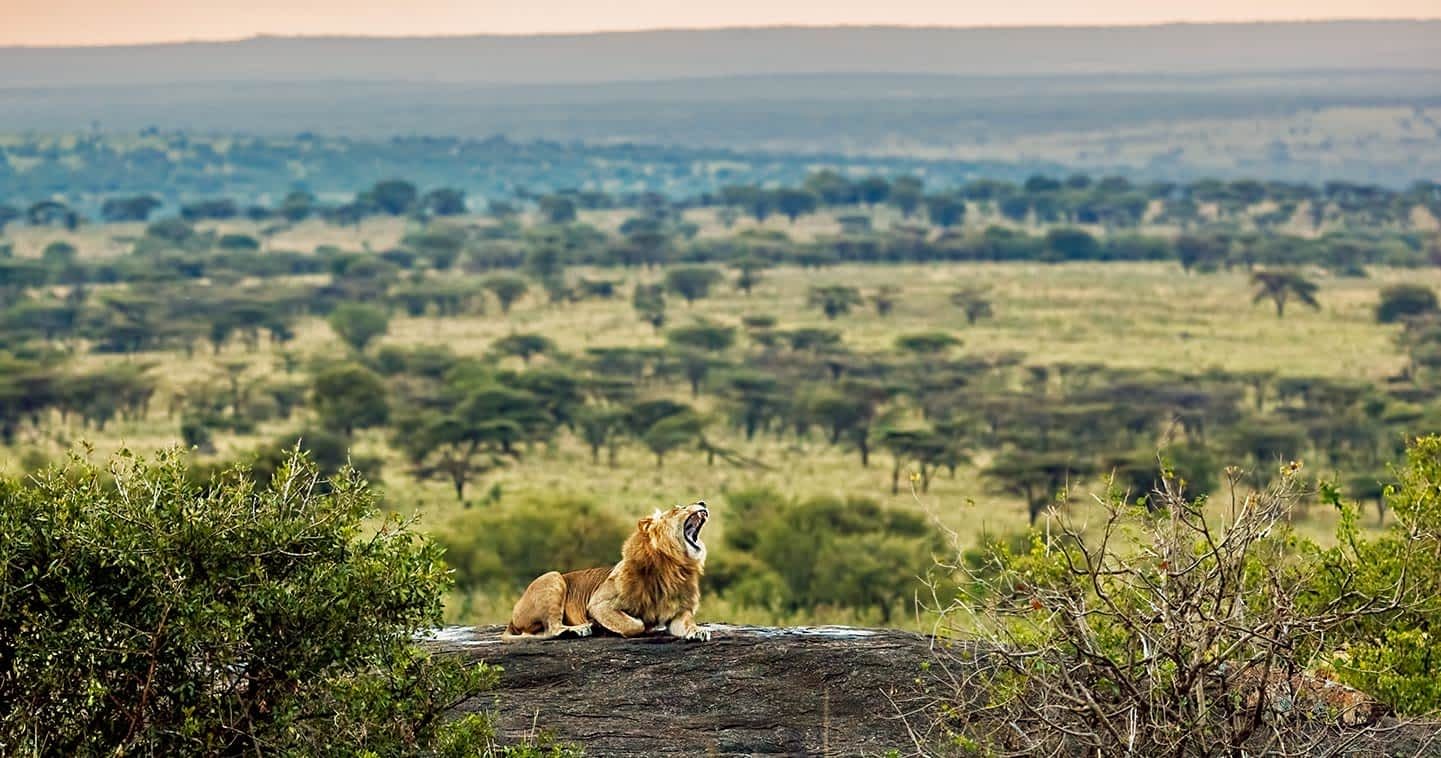
Lake Manyara is famous worldwide for its unique tree-climbing lions, which habitually spend the heat of the day resting high up in mahogany and acacia branches. Combined with hundreds of thousands of pink flamingos lining the shorelines, large elephant herds wandering through ancient forests, and bubbling geothermal hot springs at Maji Moto, Lake Manyara serves as an indispensable stop on the northern safari circuit.
Lake Manyara National Park

5 Reasons We Love Lake Manyara National Park

  1. Famous Tree-Climbing Lions One of the very few safari destinations in Africa where lion prides regularly climb trees to escape insects and catch cool breezes.
  2. Lush Groundwater Forest Fed by underground springs flowing from the Rift Valley wall, the entry forest stays verdant year-round, harbouring primates and giant fig trees.
  3. Incredible Birdwatching & Flamingos Home to over 400 species of birds, including vast migratory flocks of lesser and greater flamingo feeding on the soda lake's algae.
  4. Dense Primate Populations Boasts some of the largest, most active troops of olive baboon and blue monkey in East Africa.
  5. Diverse Canopy & Water Activities Unique adventure options like the Treetop Canopy Walkway and seasonal canoe safaris on the lake waters.
Lake Manyara National Park photo 1

Our Favourite Lake Manyara National Park Safari Ideas

Start from one of these, or tell us what you have in mind

View All Safari Ideas

About Lake Manyara National Park

Lake Manyara plays a critical role in the broader Tarangire-Manyara ecosystem, serving as a wildlife corridor between surrounding plains, wildlife management areas and the Rift escarpment.

Despite its smaller footprint, the park boasts five distinct ecological zones. As visitors pass through the main gate, they enter a dense, jungle-like groundwater forest filled with mahogany, wild mango and sausage trees. Further south, the forest opens into yellow-fever acacia woodlands, marshy reed beds and eventually the mineral-rich alkaline mudflats along the lake.

Lake Manyara National Park

Things to Do in Lake Manyara National Park

  • Game drives & tree-climbing lion tracking: Search the acacia trees and forest edges along the main loop roads for perched lions and leopards.
  • Treetop canopy walkway: Walk across suspension bridges suspended 18 metres high above the forest floor for a bird's-eye view of primates and plant life.
  • Maji Moto hot springs visit: Walk along boardwalks over bubbling 60°C geothermal springs expanding right into the lake edge.
  • Canoe safaris (seasonal): Paddle along the shoreline when water levels are high for close-up views of hippos and wading birds.
  • Mto wa Mbu cultural tours: Explore the vibrant neighbouring village on foot or bicycle to experience local fruit farming, markets and cultural crafts.

What Wildlife Will I See in Lake Manyara National Park?

  • Predators: Tree-climbing lions resting in branches, elusive leopard along the escarpment base, and spotted hyena.
  • Massive primates: Enormous troops of olive baboon, blue monkey and vervet monkey dominating the canopy.
  • Large herbivores: Dense elephant herds, Cape buffalo, Masai giraffe, hippo crowding the northern Hippo Pool, and zebra.
  • Waterbirds and flamingos: Hundreds of thousands of lesser flamingo, pink-backed pelican, yellow-billed stork, cormorant and African fish eagle.
Lake Manyara National Park wildlife

Where to Stay in Lake Manyara National Park

How we place you, by accommodation level

Luxury & Ultra-Luxury (Inside the Park & Escarpment Edge)

Luxury & Ultra-Luxury (Inside the Park & Escarpment Edge)

&Beyond Lake Manyara Tree Lodge and Lake Manyara Serena Safari Lodge offer exclusive mahogany stilt suites tucked deep inside the southern forest, or dramatic cliff-top lodges with panoramic views over the entire Rift Valley.

Comfortable & Mid-Range (Mto wa Mbu & Escarpment Rim)

Comfortable & Mid-Range (Mto wa Mbu & Escarpment Rim)

Manyara Wildlife Safari Camp and Kirurumu Manyara Lodge are permanent tented lodges perched on the escarpment rim with sweeping lake views and swimming pools at mid-range pricing.

Budget-Friendly (Mto wa Mbu & Park Boundary)

Budget-Friendly (Mto wa Mbu & Park Boundary)

Migunga Forest Camp and similar escarpment lodge options are cosy, eco-friendly forest camps located 5–10 minutes outside the park gate, offering great value and shaded woodland environments.

Lake Manyara National Park Month-by-Month Guide

Lake Manyara's compact size means it can be visited year-round, though water levels and rainfall shape which activities are on offer.

June – October

Dry season — sparse vegetation makes large mammals, elephant and tree-climbing lions much easier to spot.

November – December

Short rains bring migratory birds arriving from Europe and Asia; the park turns vibrant green with running waterfalls.

January – February

Warm and dry — excellent conditions for flamingo sightings as water levels stabilise along the alkaline flats.

March – May

Long rains bring high water levels that allow seasonal canoe safaris; the groundwater forest thrives with active primate troops.

Lake Manyara National Park — Frequently Asked Questions

Why do Lake Manyara's lions climb trees?

It isn't fully understood, but the leading theories point to relief from heat and biting insects on the ground, or simply a resting habit passed down within specific prides.

How long should I spend at Lake Manyara?

A half-day to a full day is typical, often as a stop en route between Arusha and Ngorongoro or Tarangire.

Is Lake Manyara good for birdwatching?

Yes — the lake's flamingo flocks and groundwater forest birdlife make it one of the better birding stops on the northern circuit.

Can I do the Treetop Canopy Walkway on a short visit?

Yes — it's a standalone activity near the park entrance and fits easily into a half-day visit alongside a game drive.

Explore More Destinations

Other parts of northern Tanzania worth knowing about

Serengeti National Park Serengeti National Park Ngorongoro Crater Ngorongoro Crater Tarangire National Park Tarangire National Park Zanzibar Zanzibar Mount Kilimanjaro Mount Kilimanjaro Mount Meru Mount Meru

Plan Your Visit to Lake Manyara National Park

Fill in the form below and our team will get back to you within 24 hours with a customized itinerary and quote.

Expert Advice

Our specialists will help you prepare every step of the way.

Free Quote

Receive a detailed, no-obligation itinerary and price breakdown within 24 hours.

Chat with Us on WhatsApp

Get an instant response from our team

Ready to Explore Lake Manyara National Park?

Let salt&pepper safari plan your perfect trip to Lake Manyara National Park.
BOOK NOW CHAT WITH US