Mount Kilimanjaro

Northern Tanzania · Cultural
Help Me Plan

Mount Kilimanjaro: The Roof of Africa & Crown of Tanzania

Mount Kilimanjaro at a glance:
Location Kilimanjaro Region, Northern Tanzania (near Moshi and Arusha)
UNESCO status World Heritage Site, listed 1987
Recommended stay 5 to 9 days, depending on route, for proper acclimatisation
Best known for Uhuru Peak (5,895m), the world's tallest free-standing mountain and Africa's highest point
Main access Fly into Kilimanjaro International Airport (JRO), then a 45-minute drive to Moshi
Pairs well with Serengeti National Park, Ngorongoro Crater and Tarangire National Park

Why visit Mount Kilimanjaro?

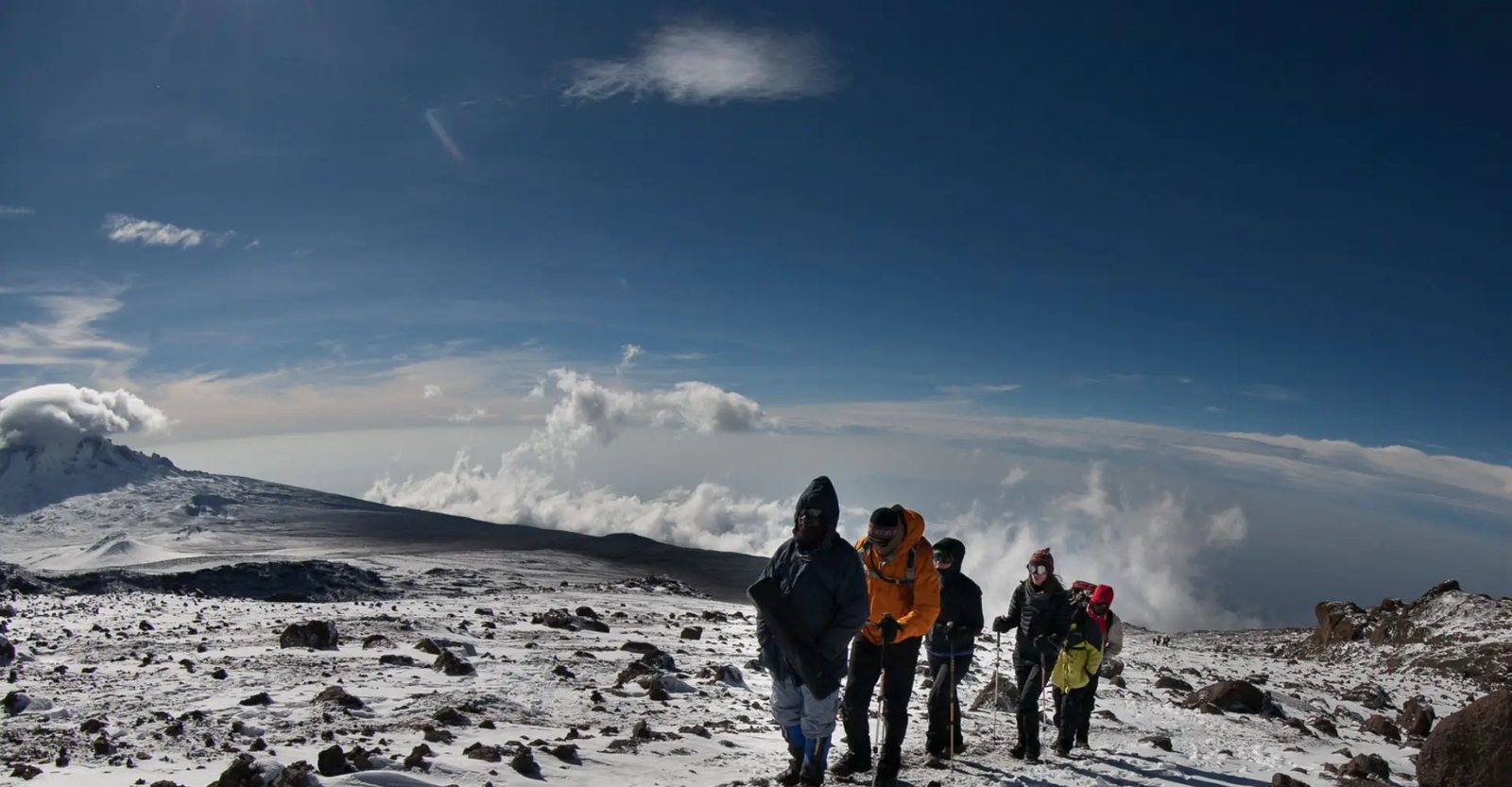
Rising majestically from the golden equatorial plains of East Africa, Mount Kilimanjaro is a dormant stratovolcano and the world's tallest free-standing mountain, reaching 5,895 metres (19,341 feet) at Uhuru Peak. It's a non-technical climb, making it one of the most accessible of the Seven Summits, and one of the few places on Earth where trekkers pass from tropical rainforest to arctic glacier within a single week.

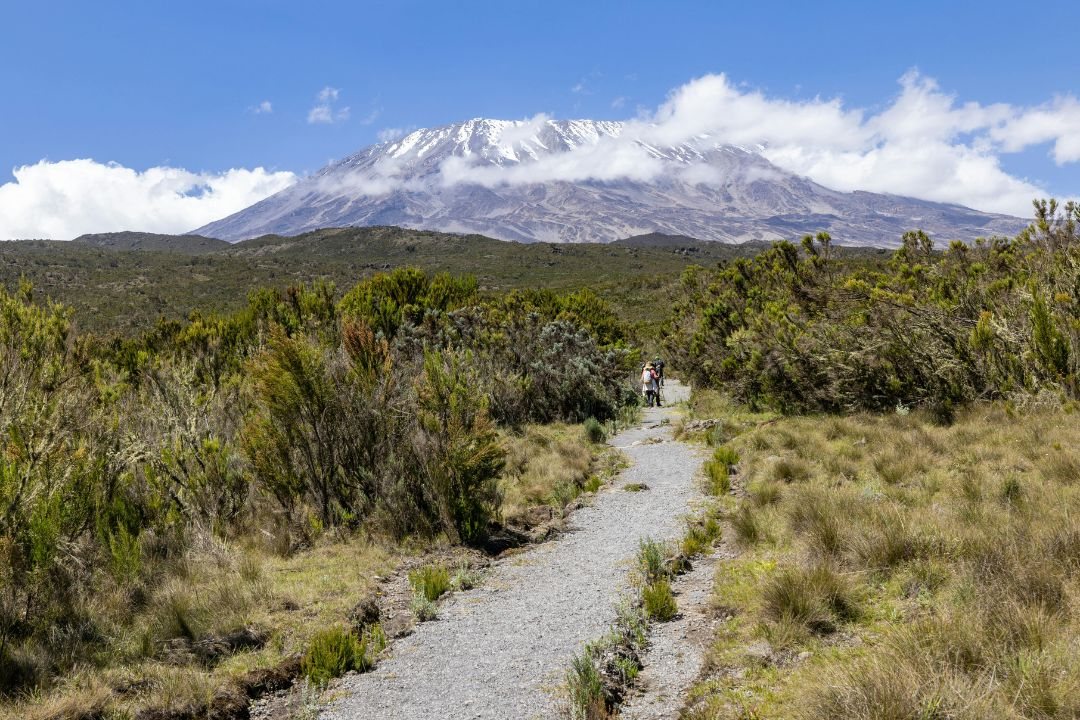
Climbing through five distinct ecological zones — montane forest, moorland, alpine desert and finally the glaciers of Kibo Peak — the mountain rewards a properly acclimatised, well-paced ascent far more than raw fitness alone.

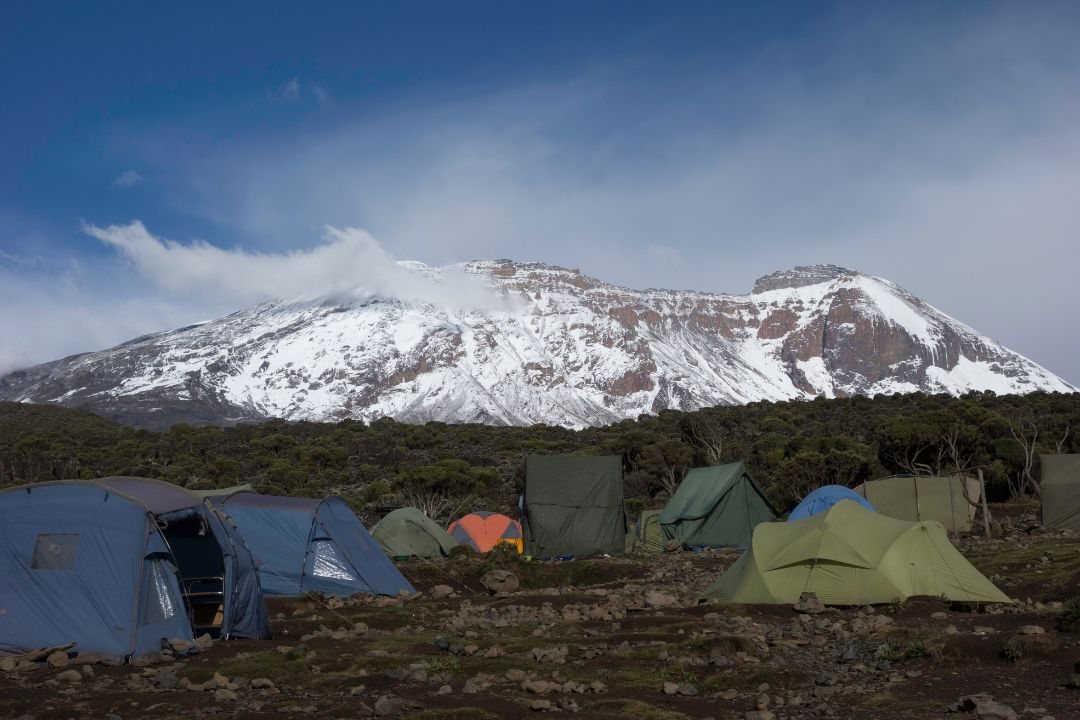
Mount Kilimanjaro

5 Reasons We Love Mount Kilimanjaro

  1. Non-Technical Seven Summit Ascent The highest peak in Africa and the world's highest walkable mountain, requiring no ropes, ice axes or mountaineering experience.
  2. Five Ecosystems in One Trek A single journey from lush tropical rainforest at the base through heathland, moorland and alpine desert to arctic summit glaciers.
  3. Incredible Sunrise Views from Uhuru Peak Standing on the rim of Kibo's volcanic caldera as sunrise illuminates the African continent below.
  4. Diverse & Scenic Trekking Routes Distinct trails such as Lemosho, Machame, Rongai and Marangu allow customised pacing and unique scenery.
  5. Deep Cultural Connection with the Chagga People The fertile lower slopes are home to the Chagga community, known for coffee farming and a world-class mountain-guiding tradition.
Mount Kilimanjaro photo 1 Mount Kilimanjaro photo 2 Mount Kilimanjaro photo 3

Our Favourite Mount Kilimanjaro Safari Ideas

Start from one of these, or tell us what you have in mind
View All Safari Ideas

About Mount Kilimanjaro

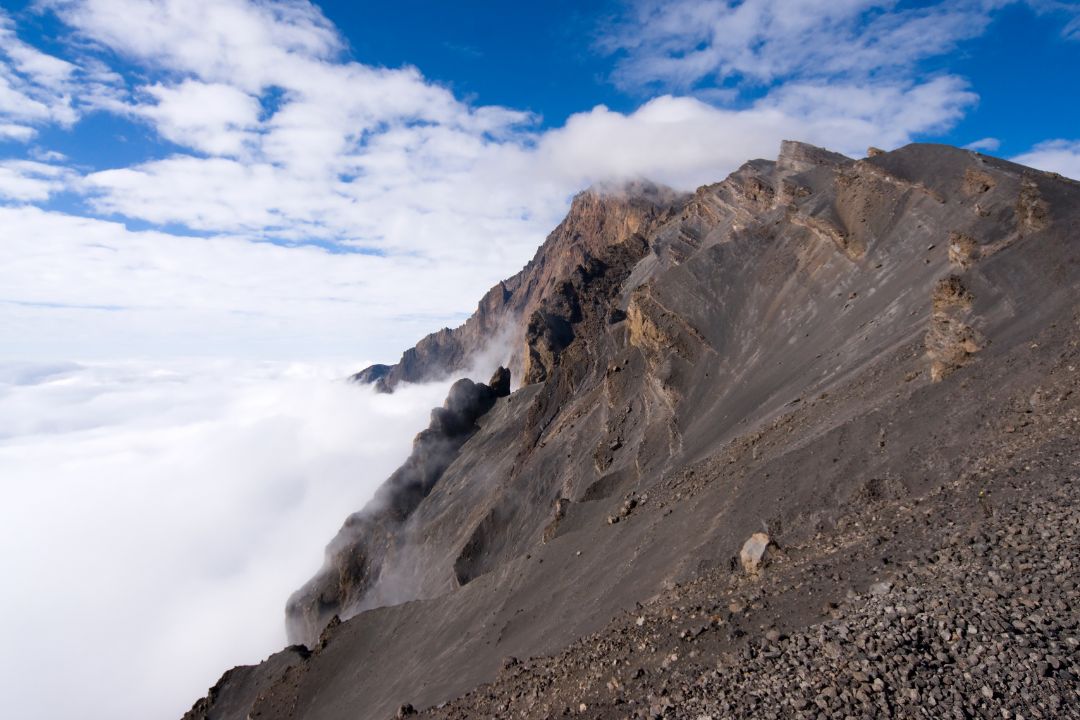
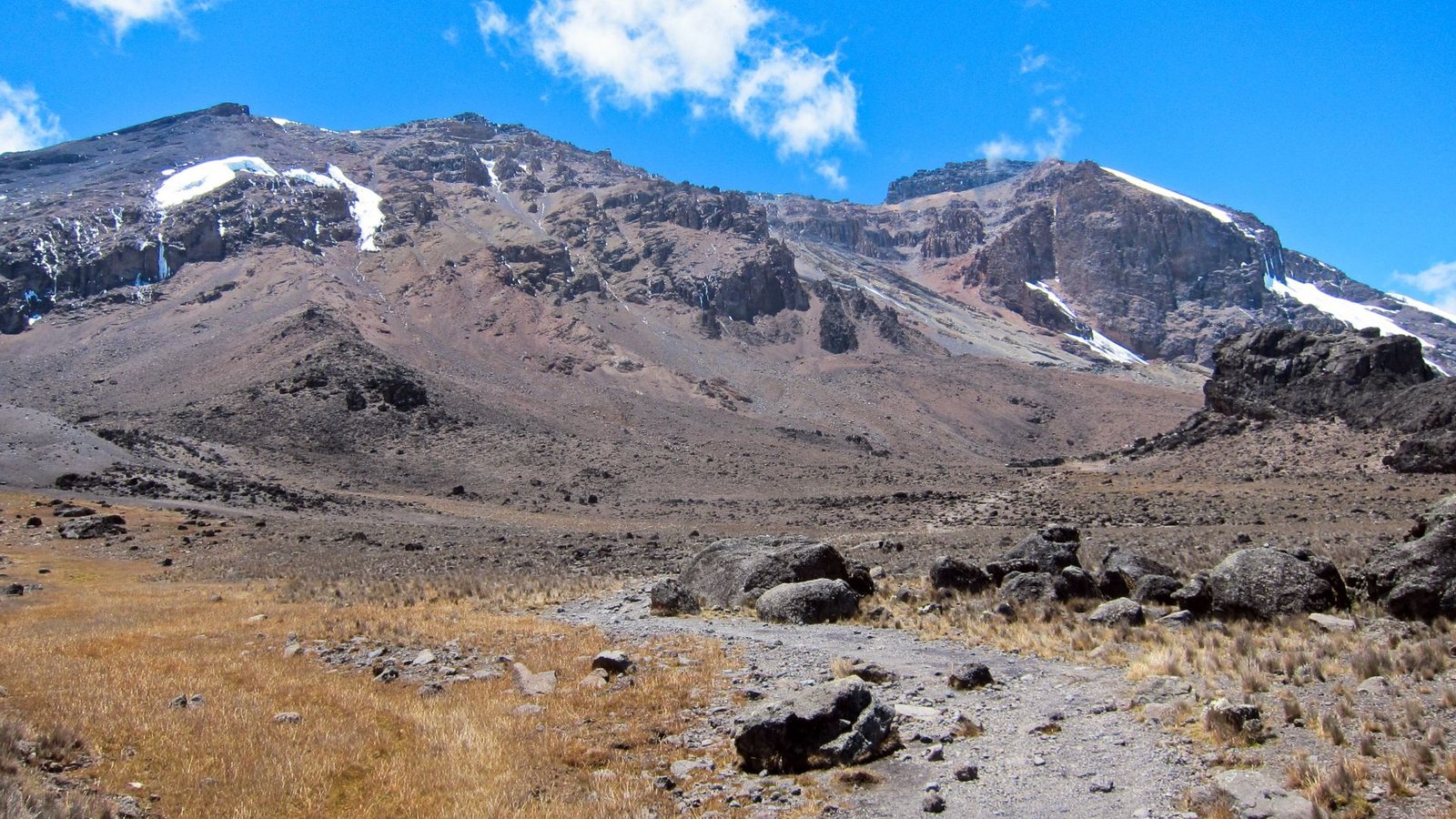
Encompassing 1,688 square kilometres, Kilimanjaro National Park protects the entire volcanic massif above the montane forest line. The mountain is built from three volcanic cones — Shira (3,962m), Mawenzi (5,149m) and Kibo (5,895m). Shira and Mawenzi are extinct, while Kibo is dormant and holds Uhuru Peak, the ultimate destination for trekkers.

The park is also an essential water catchment for northern Tanzania, feeding the coffee and banana plantations on the fertile lower slopes. Its montane forest holds real biological value, sheltering plant and animal life before giving way to alpine rock and, eventually, ice.
Mount Kilimanjaro

Things to Do in Mount Kilimanjaro

  • Summit expeditions: Multi-day guided treks to Uhuru Peak via the Lemosho, Machame, Rongai or Marangu routes.
  • Kilimanjaro day hikes: Forest-zone day walks up to Mandara Hut or the Shira Plateau for non-climbers wanting a taste of the mountain.
  • Chagga cultural and coffee tours: Visit villages on the mountain's lower slopes to learn traditional coffee processing and tour local waterfalls.
  • Materuni Waterfall hike: Trek through lush farmland near Moshi for a dip beneath an 80-metre waterfall.
  • Lake Chala day trip: Explore a deep crater lake on the Tanzania-Kenya border, known for turquoise water and hiking trails.

What Wildlife Will I See in Mount Kilimanjaro?

  • Montane forest wildlife: Black-and-white colobus monkey, blue monkey, tree hyrax, and colourful forest birds such as Hartlaub's turaco.
  • Endemic flora: Giant groundsel (Dendrosenecio kilimanjari) and giant lobelias growing in the high moorland zone.
  • Heath and moorland fauna: White-necked raven, mountain chat, alpine mice, and the occasional duiker or eland.
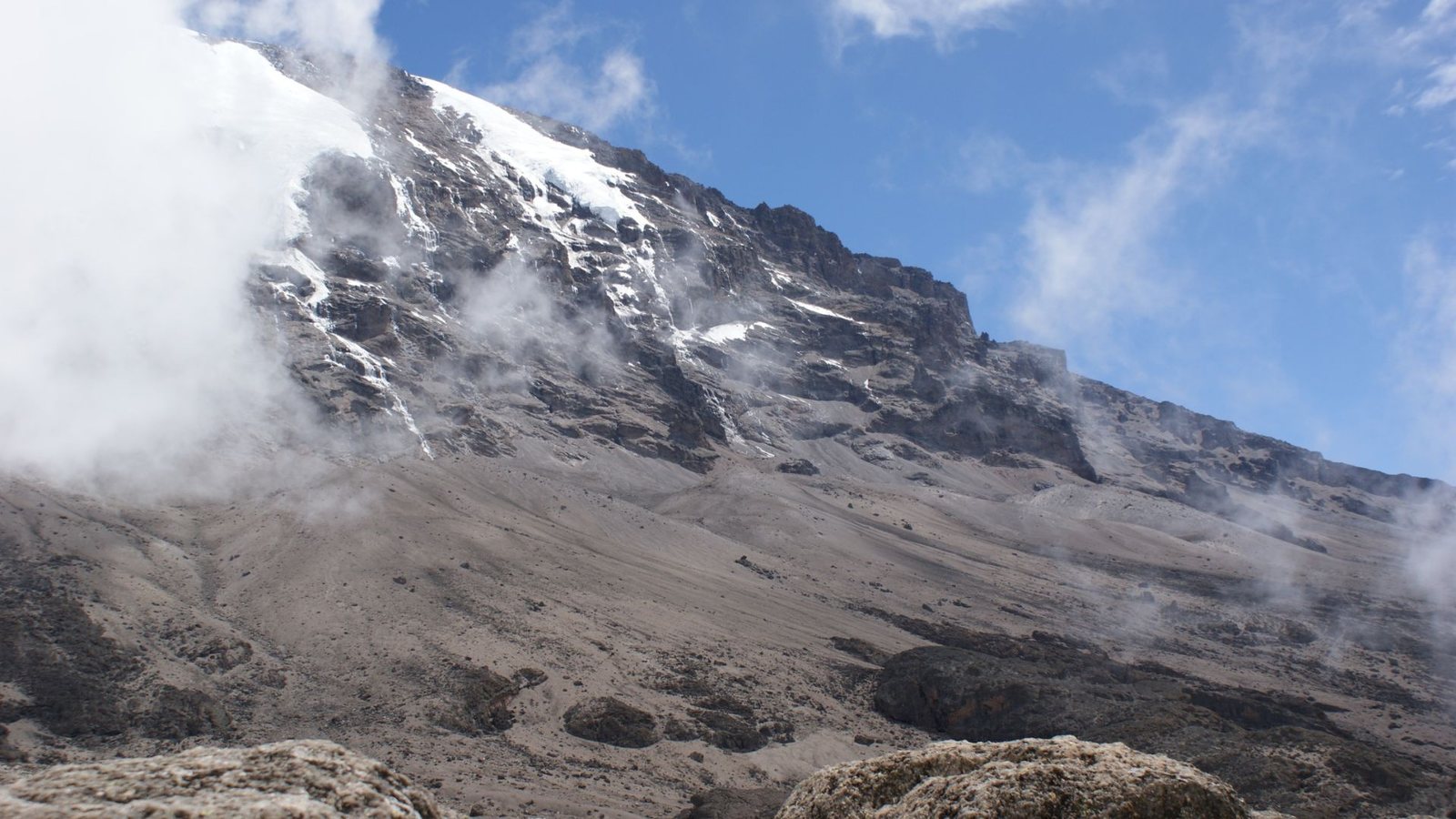
  • Glaciers and summit caldera: Alpine mosses, volcanic ash pits, and dramatic ice formations along the Furtwängler Glacier.
Mount Kilimanjaro wildlife

Where to Stay in Mount Kilimanjaro

How we place you, by accommodation level

Luxury Hotels & Mountain-View Lodges (Moshi/Arusha)

Luxury Hotels & Mountain-View Lodges (Moshi/Arusha)

Weru Weru River Lodge and Kilimanjaro Wonders Hotel offer premium comfort close to Moshi — outdoor pools, mountain views, air conditioning and strong dining before setting off.

Comfortable & Mid-Range Base Lodges (Moshi)

Comfortable & Mid-Range Base Lodges (Moshi)

Mvuli Hotel and Secret Garden Hotel sit conveniently in Moshi, with quiet gardens, equipment storage, reliable hot showers and an ideal prep base for a climbing crew.
High-Altitude Mountain Camps & Huts (On the Trail)

High-Altitude Mountain Camps & Huts (On the Trail)

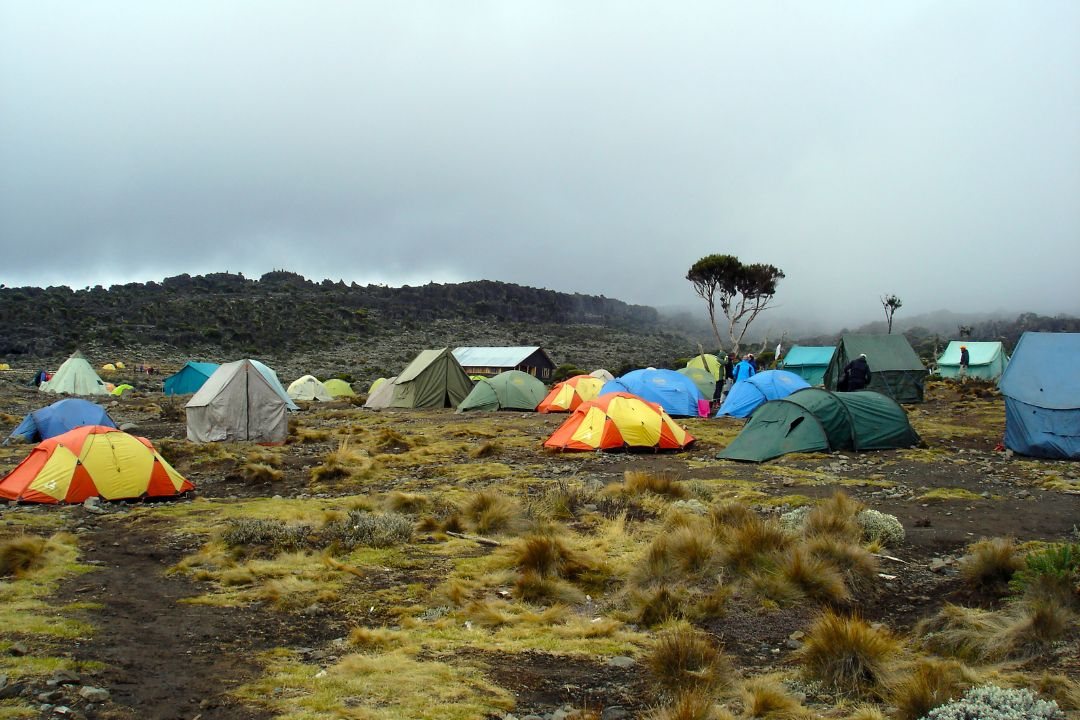
Mobile tented camps set up by your crew on camping routes such as Lemosho and Machame, or shared wooden A-frame huts on the Marangu trail.

Mount Kilimanjaro Month-by-Month Guide

Kilimanjaro can be climbed year-round, but rainfall and summit visibility shift considerably by season.

January – March

Warm and clear, with low precipitation — generally the most recommended climbing window.

April – May

The long rains bring heavy rainfall in the rainforest zone and heavy snow at the summit; treks are more demanding and best left to experienced hikers.

June – October

Cold, clear nights with very low rainfall — the peak trekking season, with the highest summit success rates across all routes.

November – December

Short rains bring brief afternoon showers in the lower forest zone, but skies clear quickly and crowds are lighter than the dry months.

Mount Kilimanjaro — Frequently Asked Questions

Do I need technical gear or climbing experience to ascend Kilimanjaro?

No technical climbing gear or rope skills are required. It's a high-altitude trek, so physical stamina, mental determination and proper cold-weather gear matter far more than climbing experience.

Which route has the highest summit success rate?

Routes spanning 7 to 8 days, such as the 8-day Lemosho or 7-day Machame route, allow better altitude acclimatisation and post the highest summit success rates.

How cold does it get near the summit?

Lower forest trails can be warm (20°C+), but summit night at Uhuru Peak drops well below freezing, often between -5°C and -15°C with wind chill.

What is the minimum age to climb Mount Kilimanjaro?

Kilimanjaro National Park rules require climbers to be at least 10 years old to attempt the trek above 3,000 metres.

Explore More Destinations

Other parts of northern Tanzania worth knowing about

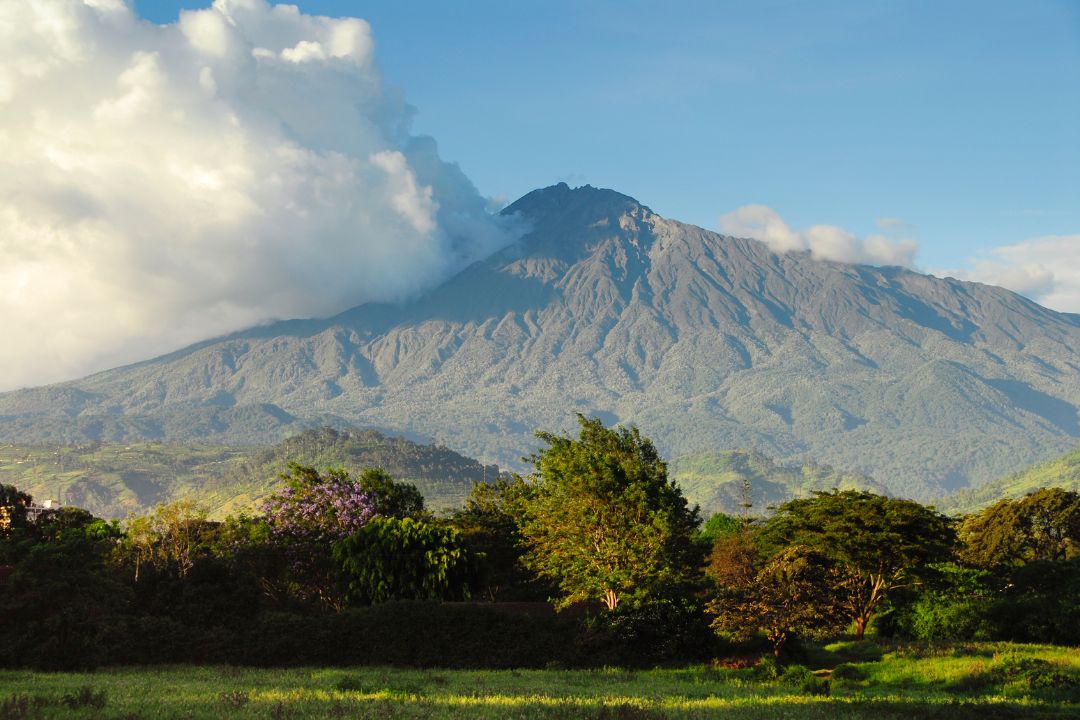
Serengeti National Park Serengeti National Park Ngorongoro Crater Ngorongoro Crater Tarangire National Park Tarangire National Park Zanzibar Zanzibar Mount Meru Mount Meru Lake Manyara National Park Lake Manyara National Park

Plan Your Visit to Mount Kilimanjaro

Fill in the form below and our team will get back to you within 24 hours with a customized itinerary and quote.

Expert Advice

Our specialists will help you prepare every step of the way.

Free Quote

Receive a detailed, no-obligation itinerary and price breakdown within 24 hours.

Chat with Us on WhatsApp

Get an instant response from our team

Ready to Explore Mount Kilimanjaro?

Let salt&pepper safari plan your perfect trip to Mount Kilimanjaro.
BOOK NOW CHAT WITH US