USD / EN
Plan my trip
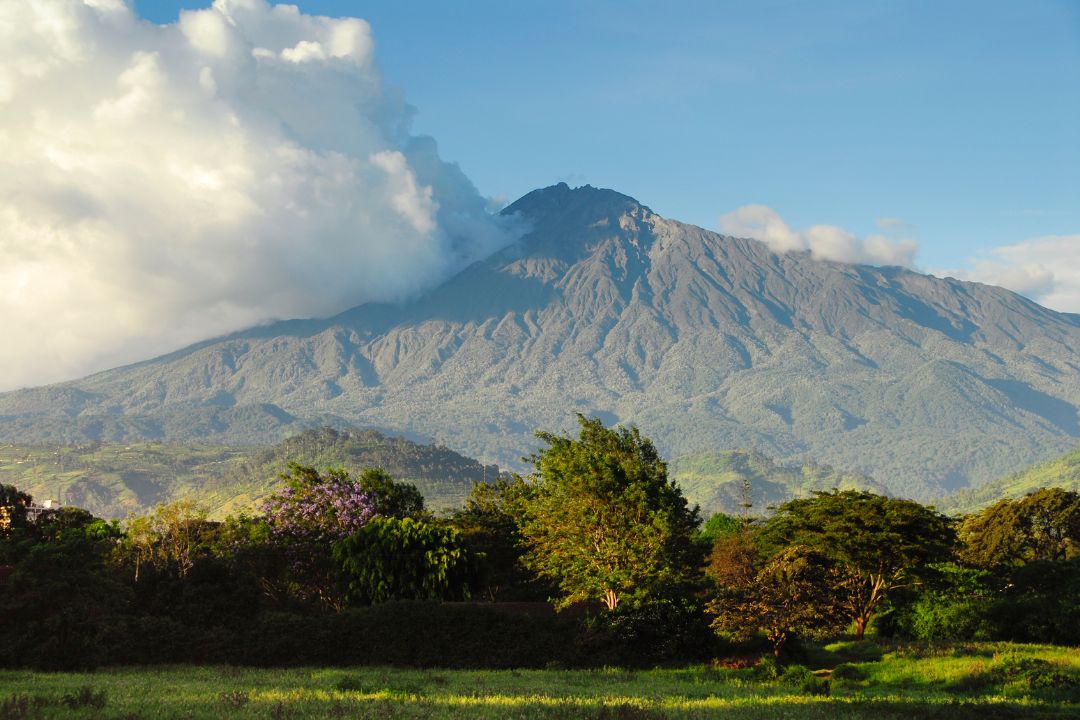
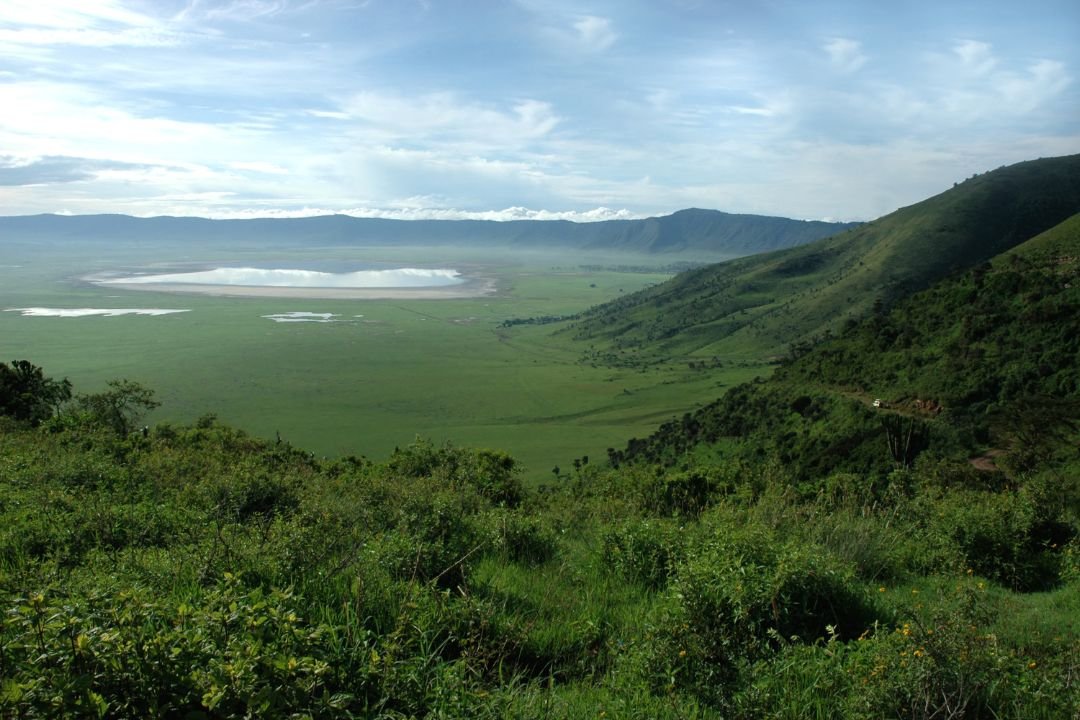
Rising dramatically above the northern Tanzanian plains, the Ngorongoro Crater is the world's largest intact, un-flooded volcanic caldera. Formed over two million years ago when a massive volcano collapsed, this natural amphitheatre creates a self-contained sanctuary spanning 260 square kilometres with 600-metre-high walls.
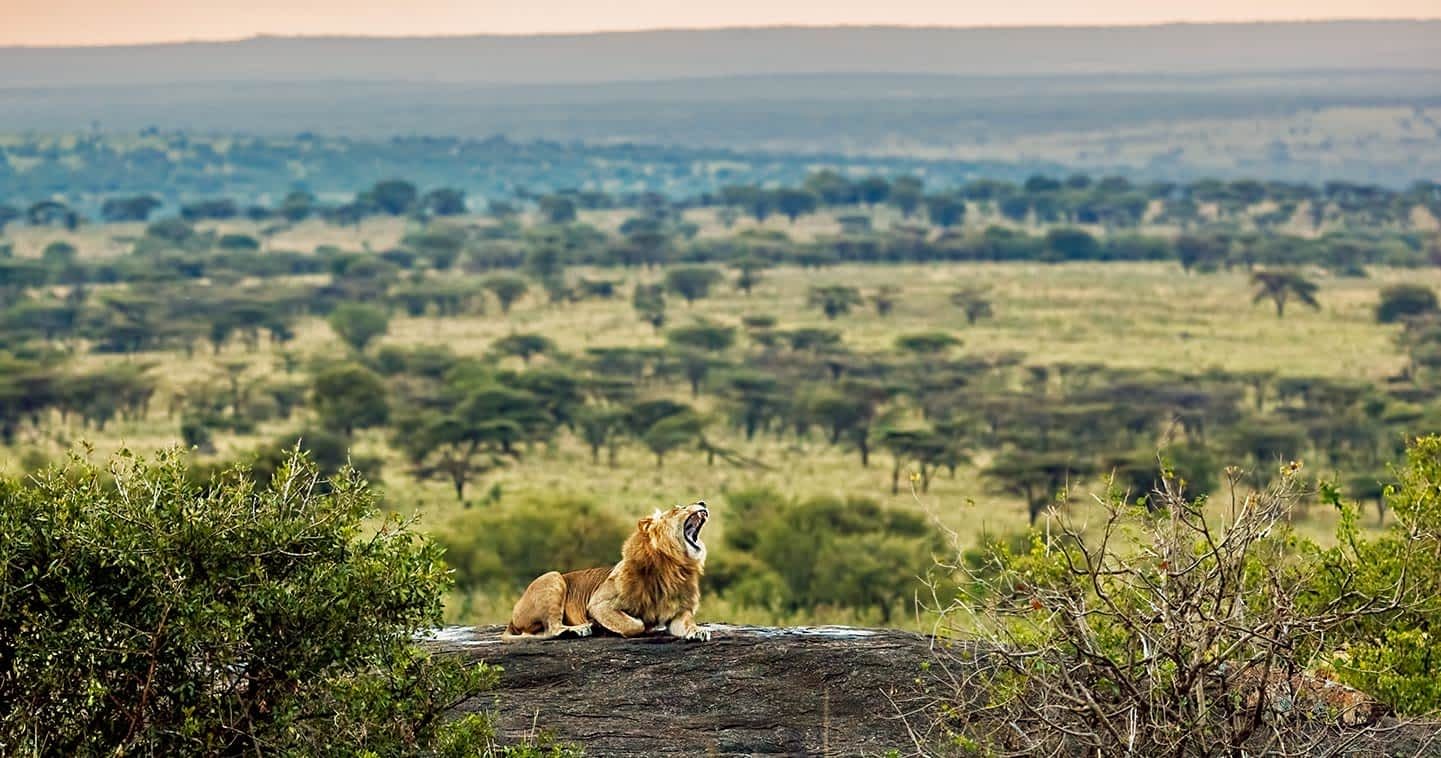
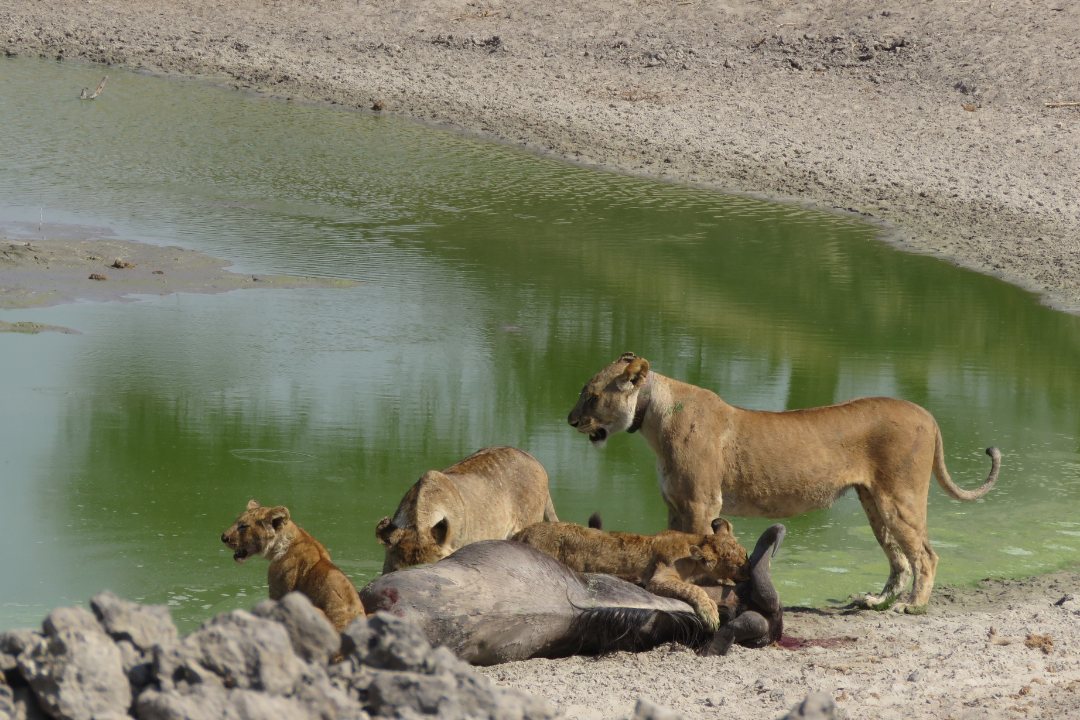
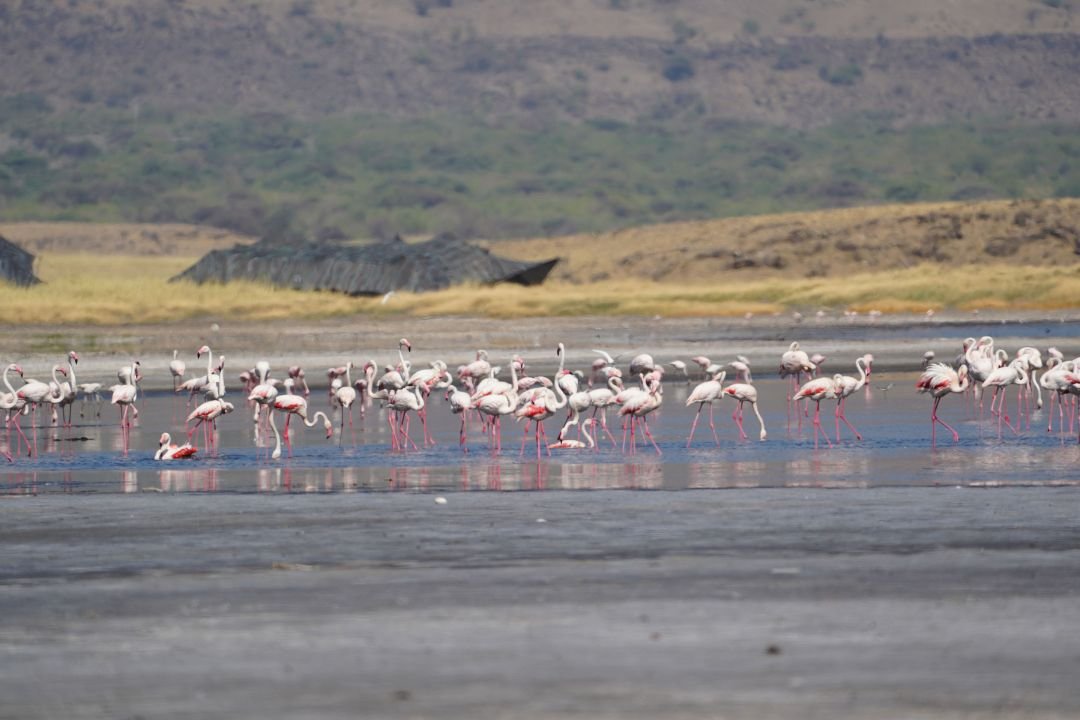
Home to more than 25,000 large wild mammals, the crater floor hosts an astonishing density of wildlife. It is one of the single best places in East Africa to spot all members of the Big Five in a single day — particularly the endangered black rhinoceros, alongside dense lion prides, spotted hyenas, huge bull elephants, and flamingos along Lake Magadi.

Start from one of these, or tell us what you have in mind
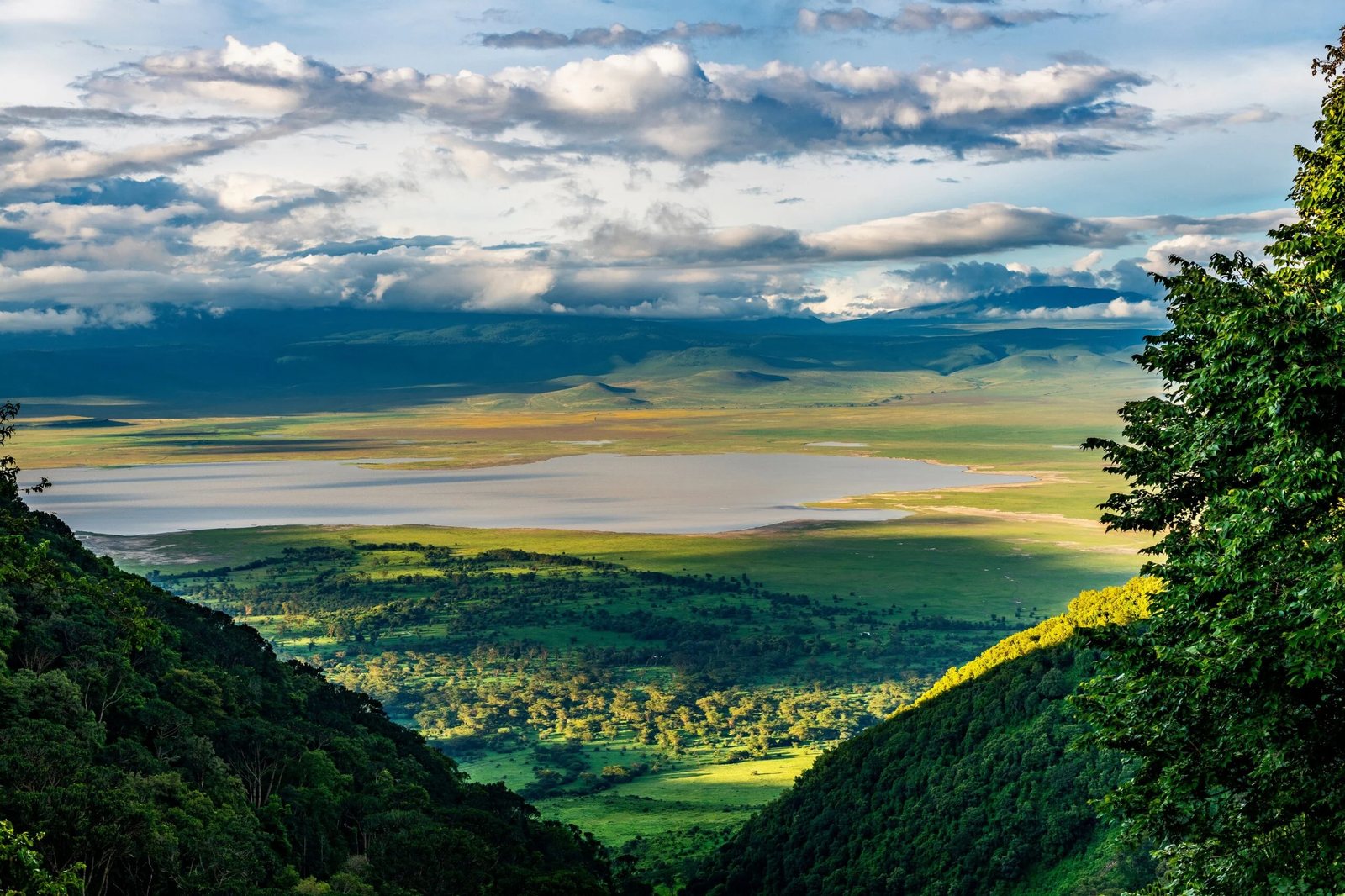



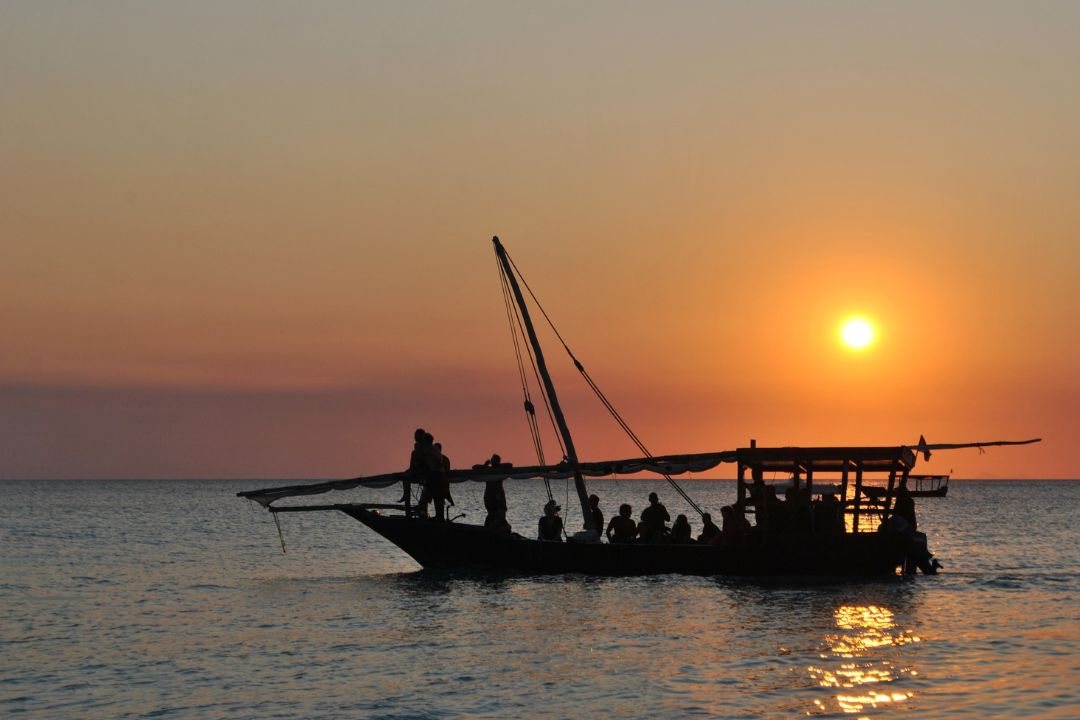
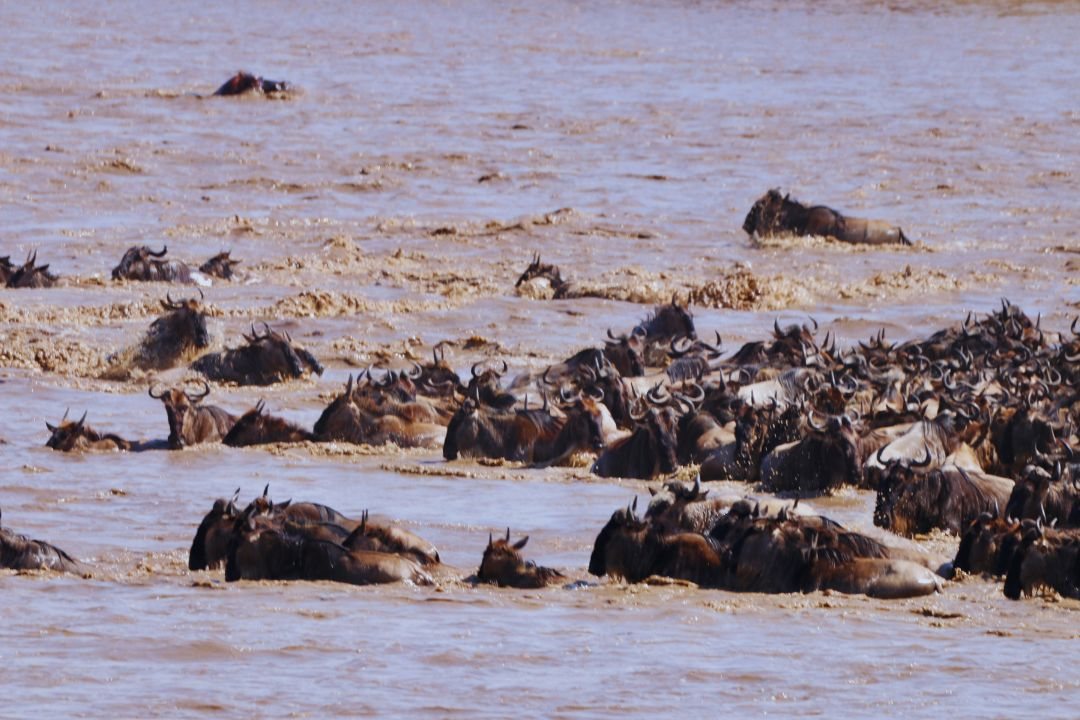
Spanning 8,292 square kilometres, the Ngorongoro Conservation Area (NCA) is a pioneering UNESCO site operating under a unique multiple land-use model. Unlike traditional national parks, local Maasai pastoralists reside within the boundary, grazing cattle alongside wild animal populations.
The broader area includes diverse habitats ranging from montane forests and high-altitude volcano rims down to short-grass plains and acacia woodlands. These surrounding plains support massive seasonal herds of wildebeest and zebra during the calving season (January to March) in the southern Ndutu region.
How we place you, by accommodation level
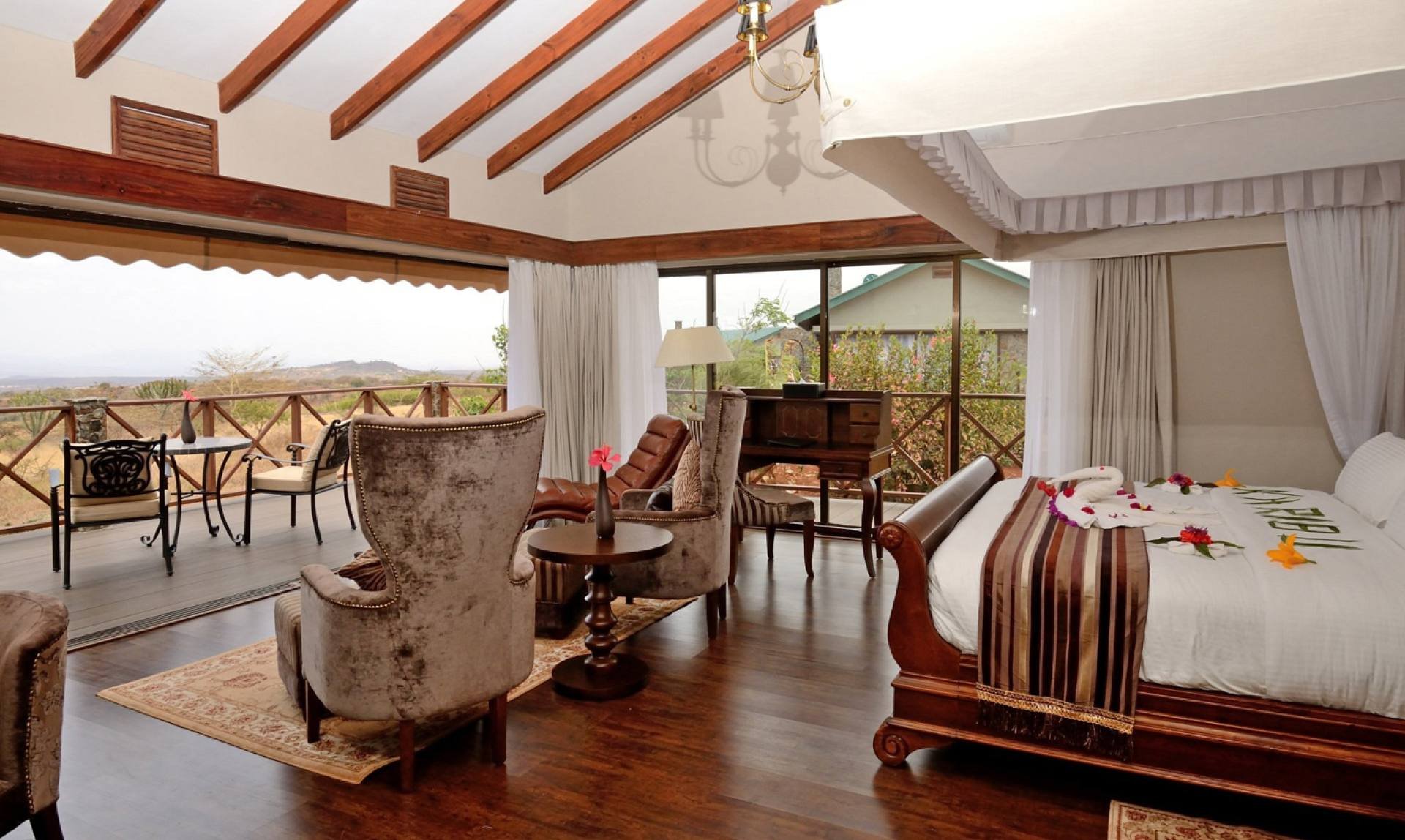
Ngorongoro Lodge Meliá Collection and &Beyond Ngorongoro Crater Lodge are premium rim-side properties providing panoramic crater views and immediate access to the descent gates.
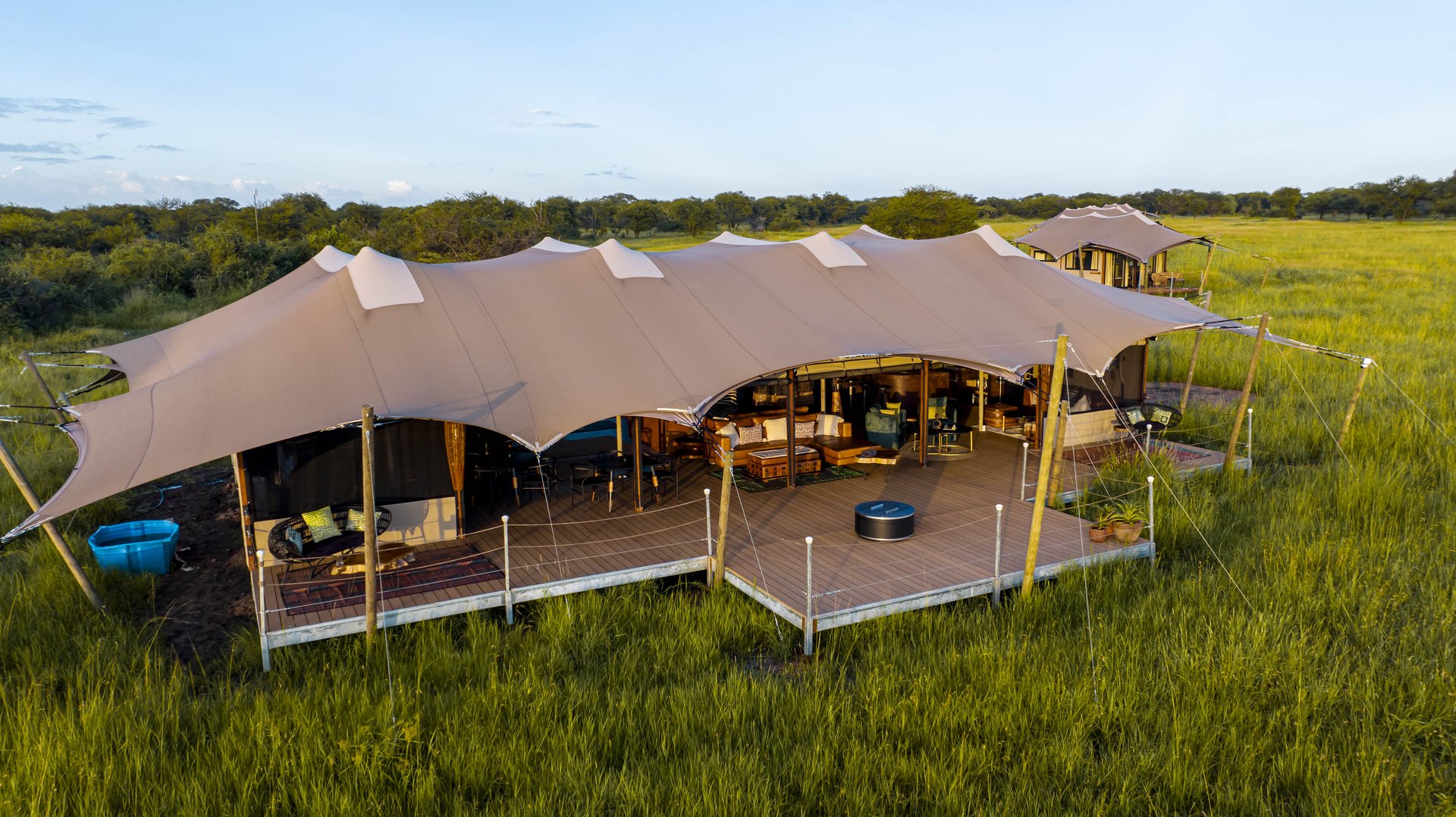
Ngorongoro Serena Safari Lodge and Rhino Lodge are authentic stone and timber lodges offering prime rim access and cosy fireplaces at mid-range pricing.
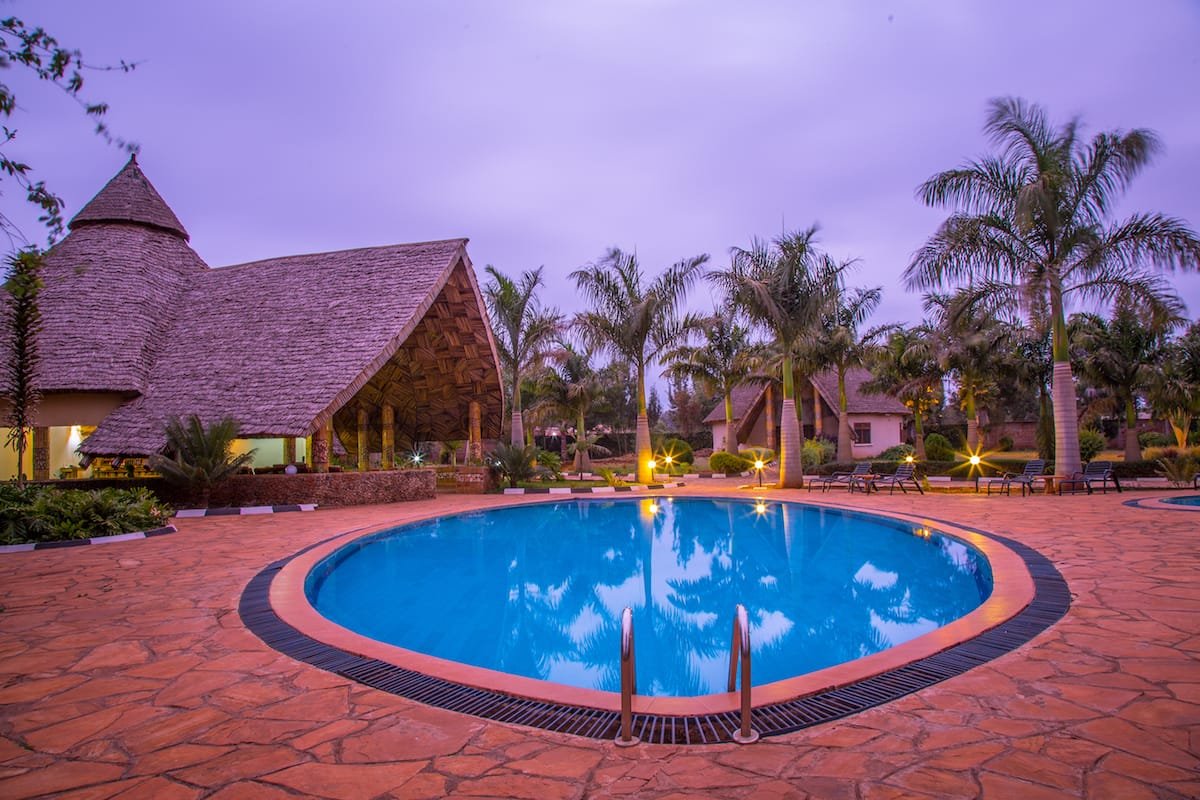
Karatu town lodges and farmhouses sit 30–45 minutes outside the gate, offering cost-effective accommodation in coffee plantation settings.
Ngorongoro's high-altitude rim keeps it cool and green year-round, but rainfall and the calving season on the nearby Ndutu plains still shape when to visit.
The dry season brings clear skies, cooler rim temperatures, and high visibility as vegetation thins out.
Short rains bring brief afternoon showers that refresh the landscape, bringing migratory waterbirds.
Warm conditions, with calving season peaking in nearby Ndutu, drawing heavy predator concentration.
The long rains bring lush green landscapes, lower lodge rates, and fewer vehicles on the crater floor.
No — only accredited safari vehicles with a licensed guide are permitted onto the crater floor, and a separate crater service fee applies on top of the standard conservation area fees.
Most itineraries allow one full day on the crater floor. Staying overnight on the rim the night before lets you start the descent at first light, before the bulk of vehicles arrive.
Yes — the crater maintains high wildlife density throughout the year and stays fully accessible across all seasons.
Yes, Ngorongoro Crater is one of the best locations in East Africa to view wild black rhino in open terrain, though a sighting still isn't guaranteed.
Giraffes are largely absent from the crater floor because the steep descent walls are difficult for them to navigate, and their preferred tall acacia trees are scarce on the flat floor.
The crater floor does see more vehicle traffic than the wider Serengeti, since access roads are limited. Arriving early or visiting outside the July–August peak season noticeably thins the crowds.
Yes — the two sit right next to each other and are combined in almost every northern circuit itinerary.
Yes, a 4x4 safari vehicle is required for the crater's steep, unpaved descent and ascent roads.
Other parts of northern Tanzania worth knowing about
Fill in the form below and our team will get back to you within 24 hours with a customized itinerary and quote.
Our specialists will help you prepare every step of the way.
Receive a detailed, no-obligation itinerary and price breakdown within 24 hours.
Let salt&pepper safari plan your perfect trip to Ngorongoro Crater.