Tarangire National Park

Northern Tanzania · Safari
Help Me Plan

Tarangire National Park: The Elephant Kingdom & Land of Baobabs

Tarangire National Park at a glance:
Location Manyara Region, northern Tanzania (120 km southwest of Arusha)
Status Part of the broader Tarangire-Manyara ecosystem
Best known for Massive elephant herds (up to 300+ in a single group), giant ancient baobab trees, dry-season wildlife concentration
Recommended stay 1 to 2 nights, ideal for full-day game drives along the Tarangire River
Main access Fly into Kilimanjaro (JRO) or Arusha (ARK), then a 2-hour paved drive via the main Arusha-Dodoma highway
Pairs well with Lake Manyara and the rest of the northern circuit

Why visit Tarangire National Park?

Covering roughly 2,850 square kilometres, Tarangire National Park is famous for its iconic landscape dotted with ancient, colossal baobab trees and its central lifeline, the Tarangire River. During the dry season, this river becomes the only permanent freshwater source for miles around, drawing thousands of wild animals from the surrounding Maasai Steppe.

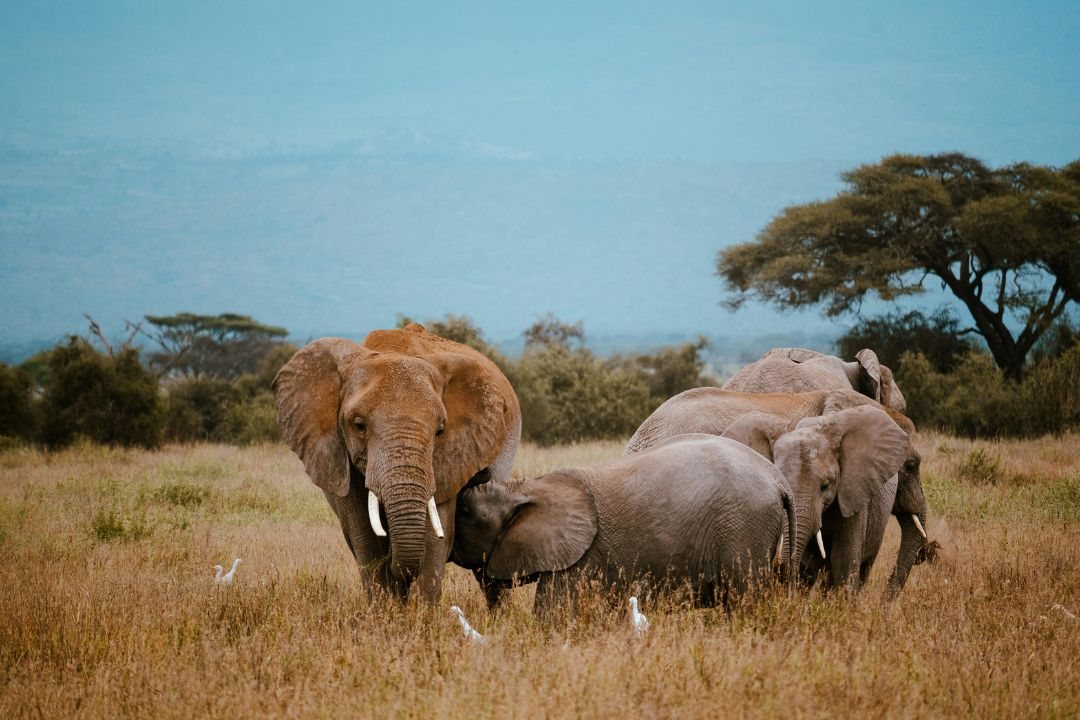
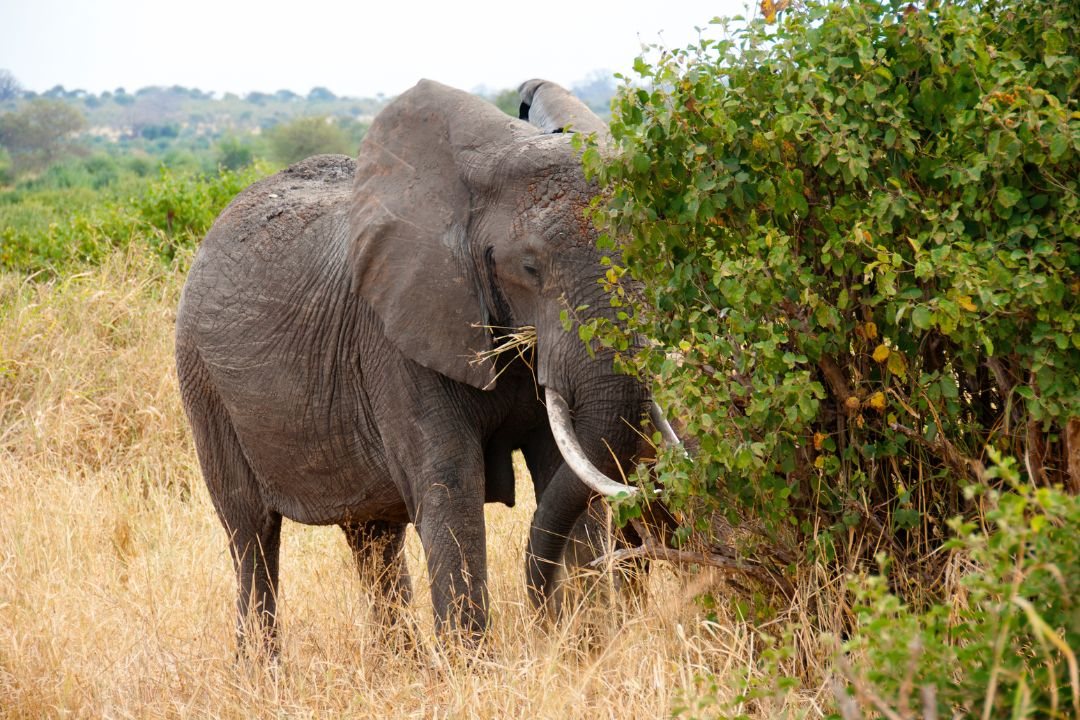
Tarangire boasts one of the highest concentrations of African elephants in the world. Visitors routinely witness herds of up to several hundred elephants bathing in the riverbeds, digging for underground water, or resting under the shade of baobabs. Combined with high predator numbers, unique northern Tanzania bird species, and far fewer safari vehicles than the central Serengeti, Tarangire offers an authentic, raw wilderness experience.

Tarangire National Park

5 Reasons We Love Tarangire National Park

  1. Unrivaled Elephant Herds One of the premier locations in Africa to observe massive, family-led elephant herds interacting in close proximity.
  2. Surreal Baobab Landscapes The iconic silhouette of thousand-year-old baobab trees set against the savannah provides a striking photographic backdrop.
  3. Exceptional Dry-Season Game Viewing From July to October, thousands of migratory herbivores gather around the Tarangire River, creating wildlife densities rivalling the Serengeti.
  4. Tree-Climbing Lions & Rare Antelopes Home to tree-climbing lions, as well as rarer dry-country antelope species like the fringe-eared oryx and the long-necked gerenuk.
  5. A Birdwatcher's Paradise With over 550 recorded bird species — the highest count in Tanzania — it offers incredible birding across swamp and river ecosystems.
Tarangire National Park photo 1 Tarangire National Park photo 2

Our Favourite Tarangire National Park Safari Ideas

Start from one of these, or tell us what you have in mind
View All Safari Ideas

About Tarangire National Park

Tarangire forms the core of a much larger 30,000 square kilometre ecosystem extending into the Maasai Steppe. The landscape features rolling granitic hills, acacia woodlands, riverine swamps and expansive floodplains centred around the Tarangire River.

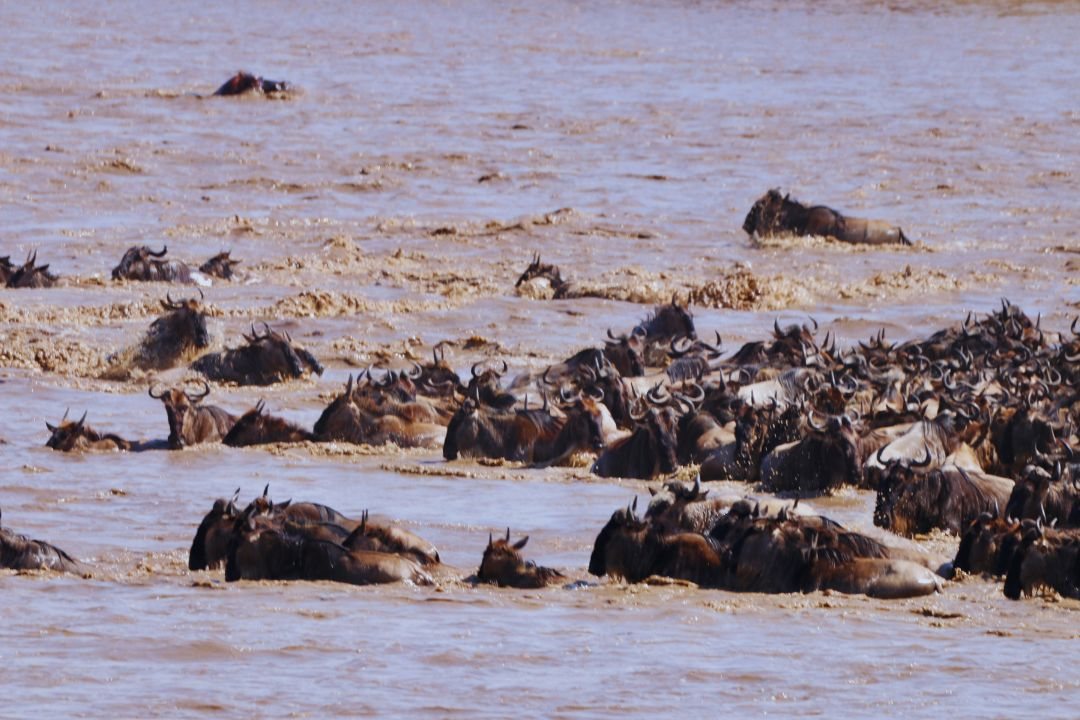
While smaller than the Serengeti, Tarangire plays an essential ecological role during the dry season. As surrounding seasonal pans dry up, migratory animals — including zebra, wildebeest and gazelle — travel into Tarangire's river basin, making the park a crucial dry-season refuge.
Tarangire National Park

Things to Do in Tarangire National Park

  • Tarangire River circuit drives: Follow the river loops to observe large animal herds drinking and predators lying in wait along the banks.
  • Walking safaris: Guided bush walks in private conservancies bordering the park for a closer look at tracks, flora and smaller wildlife.
  • Night game drives: Explore private concessions on the park border to spot nocturnal species like aardvark, bushbaby and hunting leopard.
  • Silale Swamps exploration: Drive south to the expansive Silale Swamps, a rich wetland haven attracting python, buffalo and vast bird flocks.
  • Maasai cultural village visits: Visit local pastoralist communities in the surrounding conservancies to learn about modern co-existence initiatives.

What Wildlife Will I See in Tarangire National Park?

  • Giant elephant populations: Super-herds of 100 to 300+ elephants roving across riverbeds and acacia woodlands.
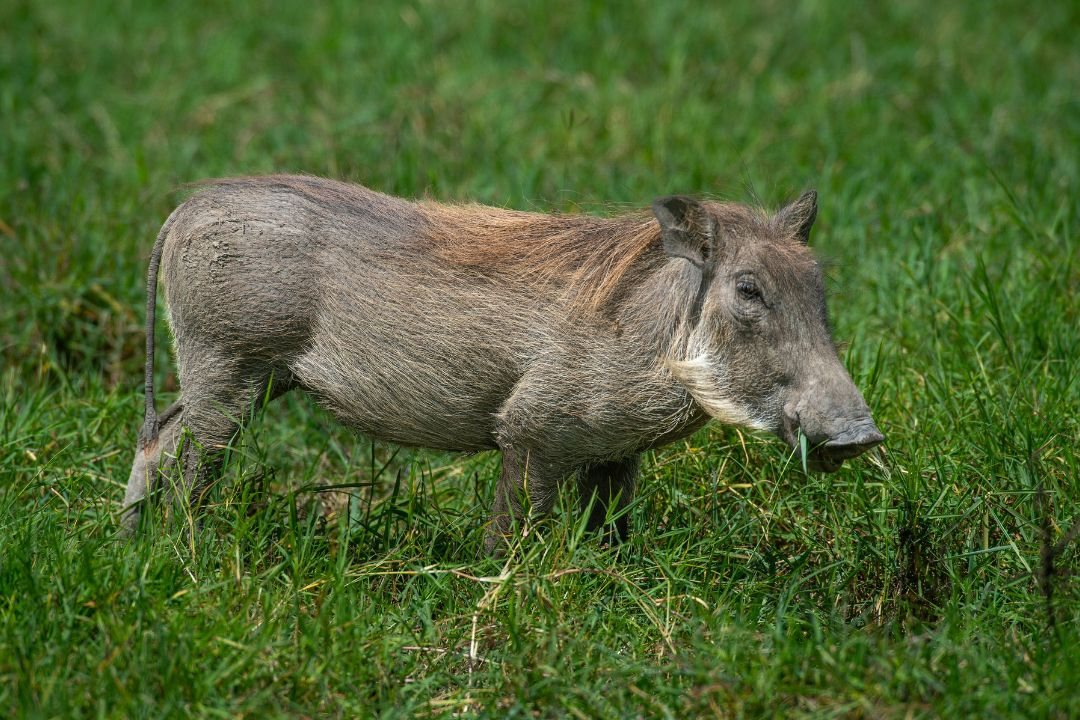
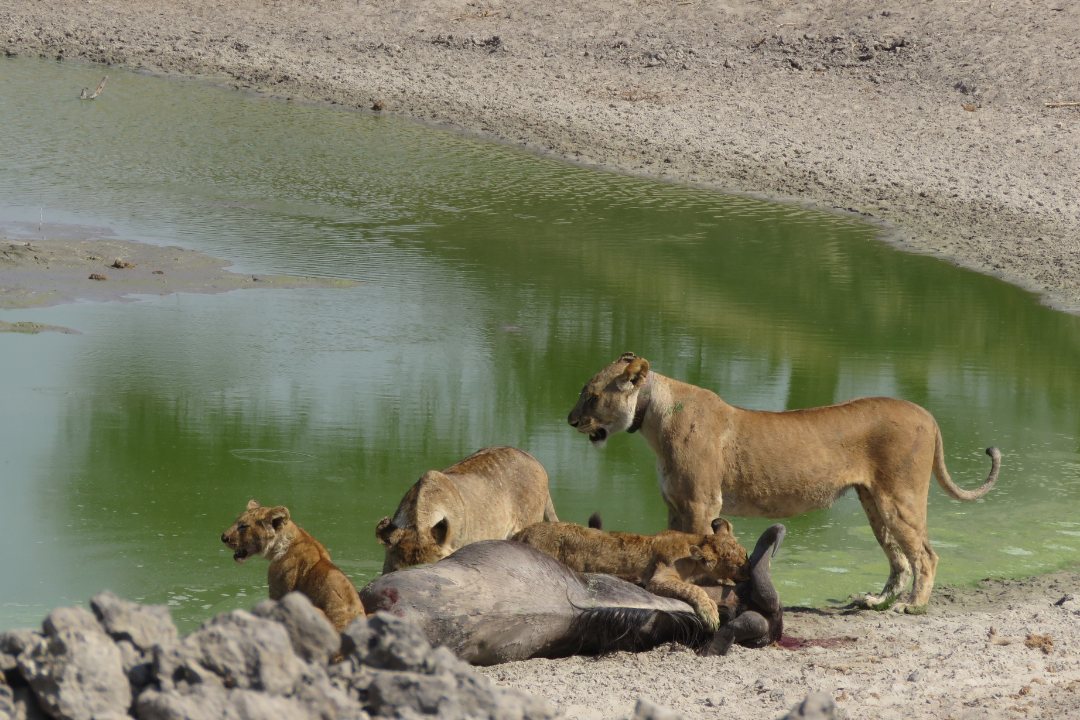
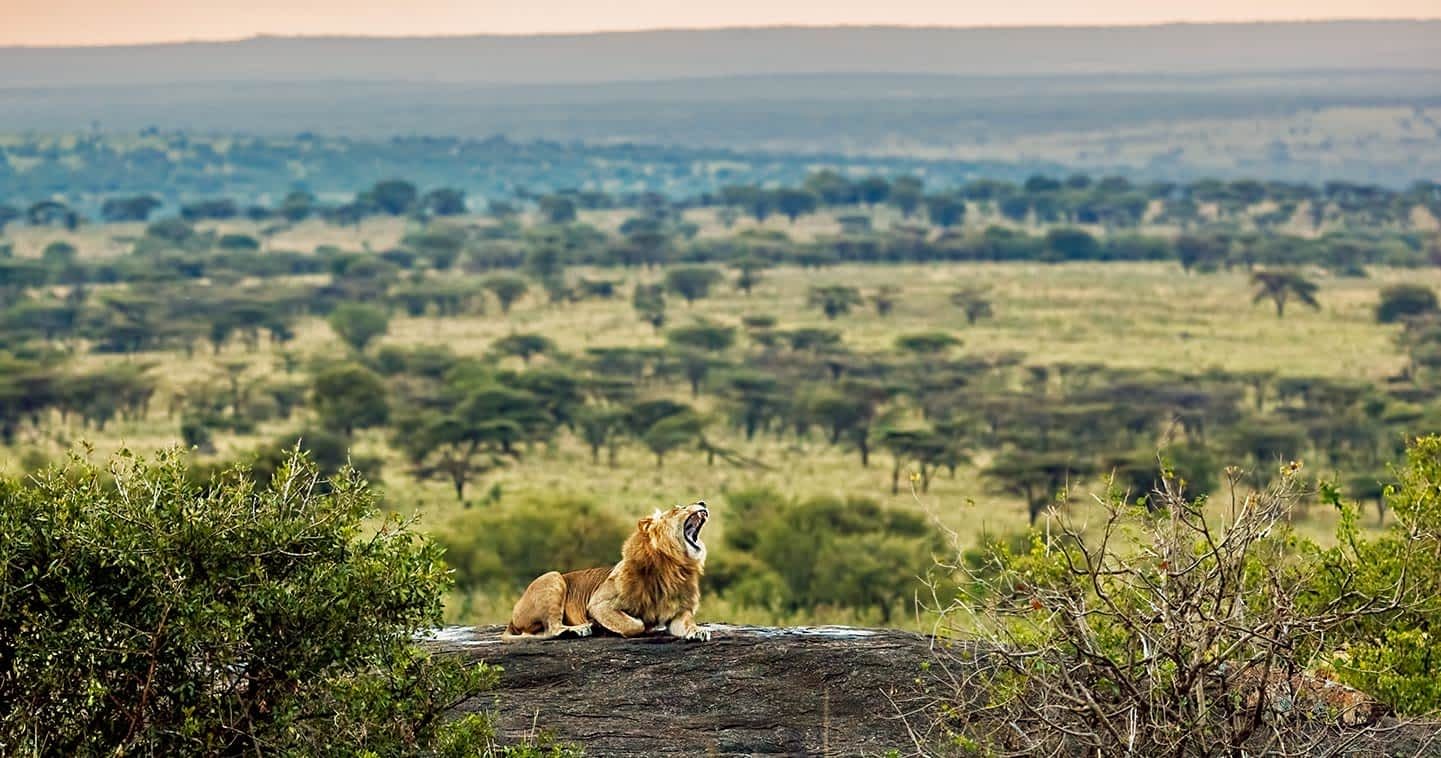
  • Abundant predators: Dense lion prides (often resting in trees), leopard hiding in baobab branches, cheetah on the southern plains, and wild dog (rare).
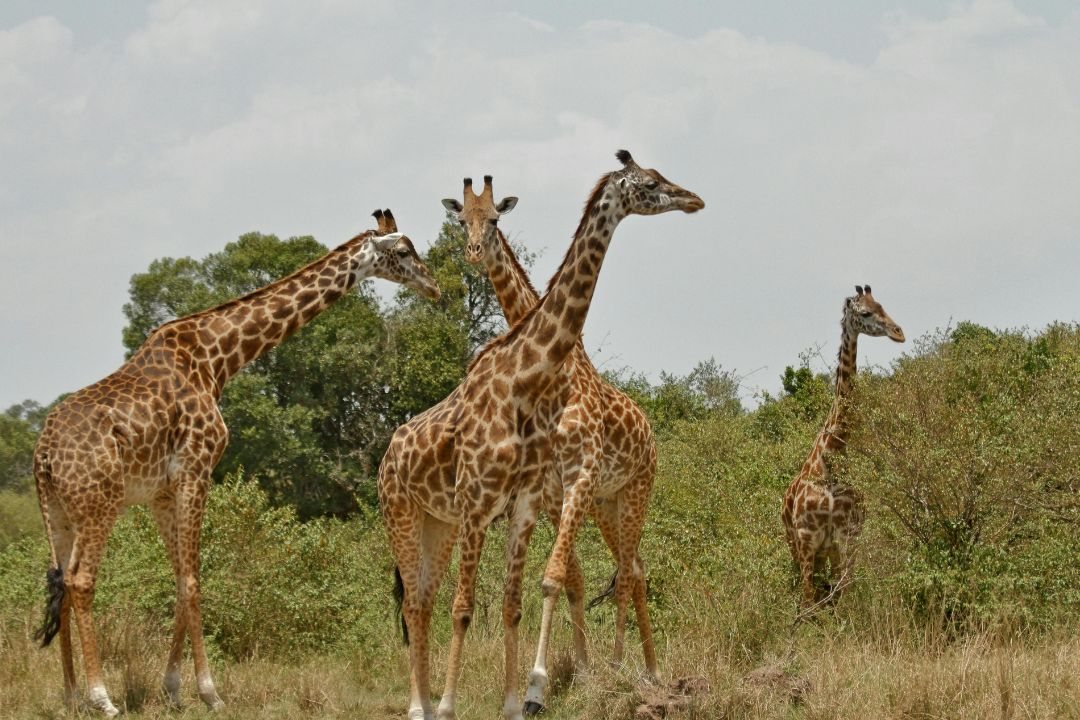
  • Massive herbivore herds: Tens of thousands of zebra, wildebeest, Cape buffalo, giraffe and waterbuck.
  • Rare dry-country species: Fringe-eared oryx, gerenuk, lesser kudu and eland.
  • Prolific birdlife: Yellow-collared lovebird, red-and-yellow barbet, kori bustard, martial eagle and ostrich.
Tarangire National Park wildlife

Where to Stay in Tarangire National Park

How we place you, by accommodation level

Luxury & Ultra-Luxury (Inside the Park & Private Conservancies)

Luxury & Ultra-Luxury (Inside the Park & Private Conservancies)

Oliver's Camp, Tarangire Treetops and Sanctuary Swala are premium luxury camps built around ancient baobabs or deep in the remote southern swamps, offering private night drives and walking safaris.

Comfortable & Mid-Range (Inside & Near Park Gates)

Comfortable & Mid-Range (Inside & Near Park Gates)

Tarangire Safari Lodge and Maramboi Tented Lodge sit on elevated ridges overlooking the river valley or Lake Manyara floodplains, with excellent views and swimming pools at mid-range pricing.

Budget-Friendly (Outside Park Boundary)

Budget-Friendly (Outside Park Boundary)

Sangaiwe Tented Lodge and Lake Burunge Tented Lodge are comfortable eco-lodges located 10–15 minutes outside the main gate, offering great value and scenic wilderness settings.

Tarangire National Park Month-by-Month Guide

Tarangire's game viewing is driven almost entirely by the dry season, when the river becomes the ecosystem's only reliable water source.

June – October

Peak dry season — the best time for game viewing; animals concentrate heavily around the Tarangire River, and vegetation is thin.

November – December

Short rains bring brief showers that turn the landscape lush and green; migratory birds arrive, and crowds drop significantly.

January – March

Warm and dry, with a calving period; great wildlife sightings across the northern park circuits and excellent birdwatching.

April – May

Long rains lead many migratory herds to disperse into the Maasai Steppe; select lodges close, but vegetation is vibrant.

Tarangire National Park — Frequently Asked Questions

When is the best time to visit Tarangire?

June through October, the dry season, when wildlife concentrates along the Tarangire River and viewing is at its most reliable.

Is Tarangire good for a day trip?

Yes — it's roughly a 2-hour drive from Arusha, making it a realistic full-day trip for travellers with limited time.

Is Tarangire less crowded than the Serengeti?

Yes, noticeably so. It's one of the quieter parks on the northern circuit, even during the busiest months.

Can I combine Tarangire with other parks?

Tarangire is almost always combined with Lake Manyara, Ngorongoro and the Serengeti on a northern circuit itinerary.

Explore More Destinations

Other parts of northern Tanzania worth knowing about

Serengeti National Park Serengeti National Park Ngorongoro Crater Ngorongoro Crater Zanzibar Zanzibar Mount Kilimanjaro Mount Kilimanjaro Mount Meru Mount Meru Lake Manyara National Park Lake Manyara National Park

Plan Your Visit to Tarangire National Park

Fill in the form below and our team will get back to you within 24 hours with a customized itinerary and quote.

Expert Advice

Our specialists will help you prepare every step of the way.

Free Quote

Receive a detailed, no-obligation itinerary and price breakdown within 24 hours.

Chat with Us on WhatsApp

Get an instant response from our team

Ready to Explore Tarangire National Park?

Let salt&pepper safari plan your perfect trip to Tarangire National Park.
BOOK NOW CHAT WITH US