USD / EN
Plan my trip
In northern Tanzania lies a wilderness so vast the Maasai named it siringet — the place where the land runs forever. The Serengeti is where sweeping grassland, rocky kopjes, riverine forest and scattered woodland come together to support one of the richest concentrations of wildlife on earth. It's Tanzania's oldest and most famous national park, and for most people it's simply what "African safari" looks like in their head before they've ever been on one.
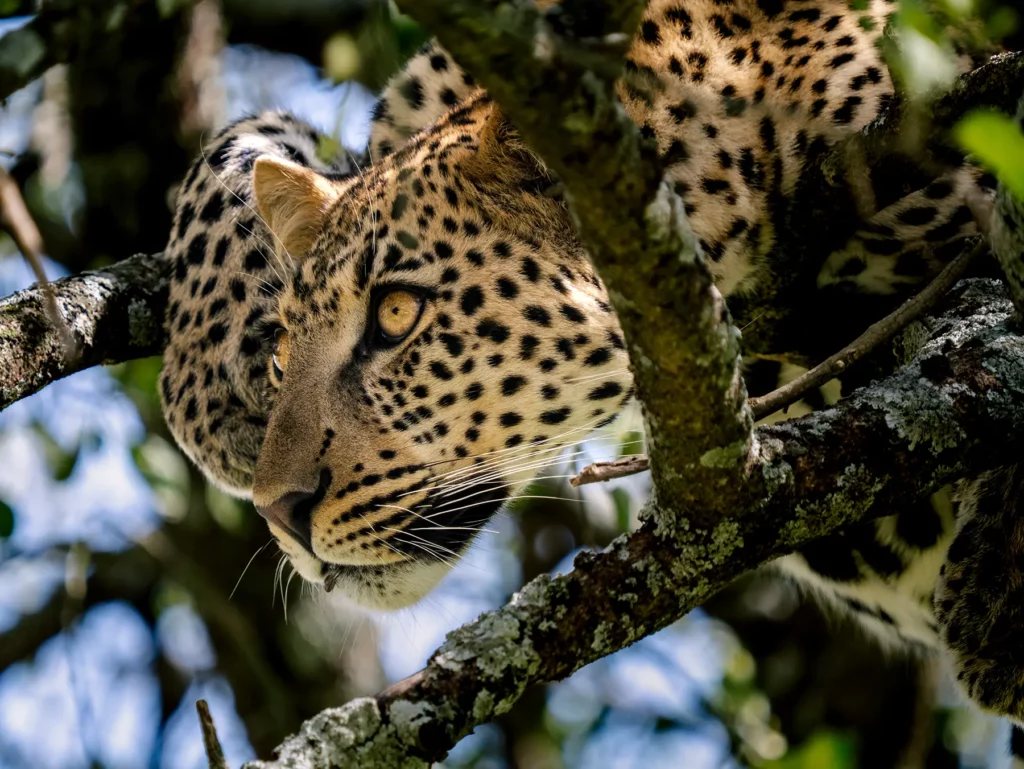
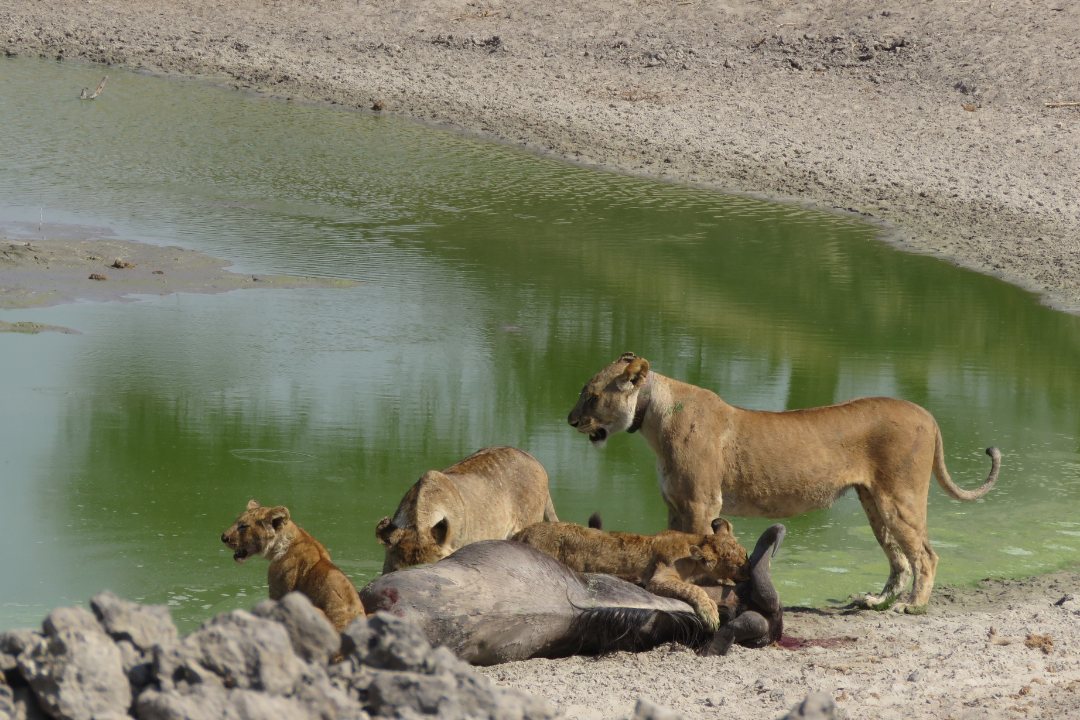
Covering 14,750 km² within a much larger unfenced ecosystem that stretches across the Kenya-Tanzania border, the Serengeti hosts close to two million wildebeest and zebra moving in a rough clockwise circuit between calving grounds and river crossings. Resident lion, leopard and cheetah populations that don't depend on the migration at all mean the park rewards a visit in January as much as September, just in a different way — and away from the handful of famous crossing points, huge tracts of the park see remarkably few vehicles, leaving room for genuine solitude even in the busiest months.
Start from one of these, or tell us what you have in mind



The Serengeti forms the heart of a roughly 30,000 km² unfenced ecosystem spanning the Kenya-Tanzania border. It connects seamlessly with Kenya's Masai Mara to the north, while the Grumeti and Ikorongo Game Reserves lie to the west and the Loliondo Game Controlled Area to the east. Just southeast sits the Ngorongoro Crater and its Conservation Area, which is why almost every safari that includes the Serengeti also includes Ngorongoro — the two are practically neighbours.
It's one of the largest and most intact natural ecosystems left on the planet, dominated by open plains, savannah, riverine forest and scattered woodland. Ancient volcanic eruptions from the Ngorongoro highlands blanketed these plains in nutrient-rich ash, creating the mineral-rich, calcium- and sodium-heavy soil that supports the exceptionally dense grasses — and in turn, the enormous herbivore and predator populations — the Serengeti is known for.
How we place you, by accommodation level
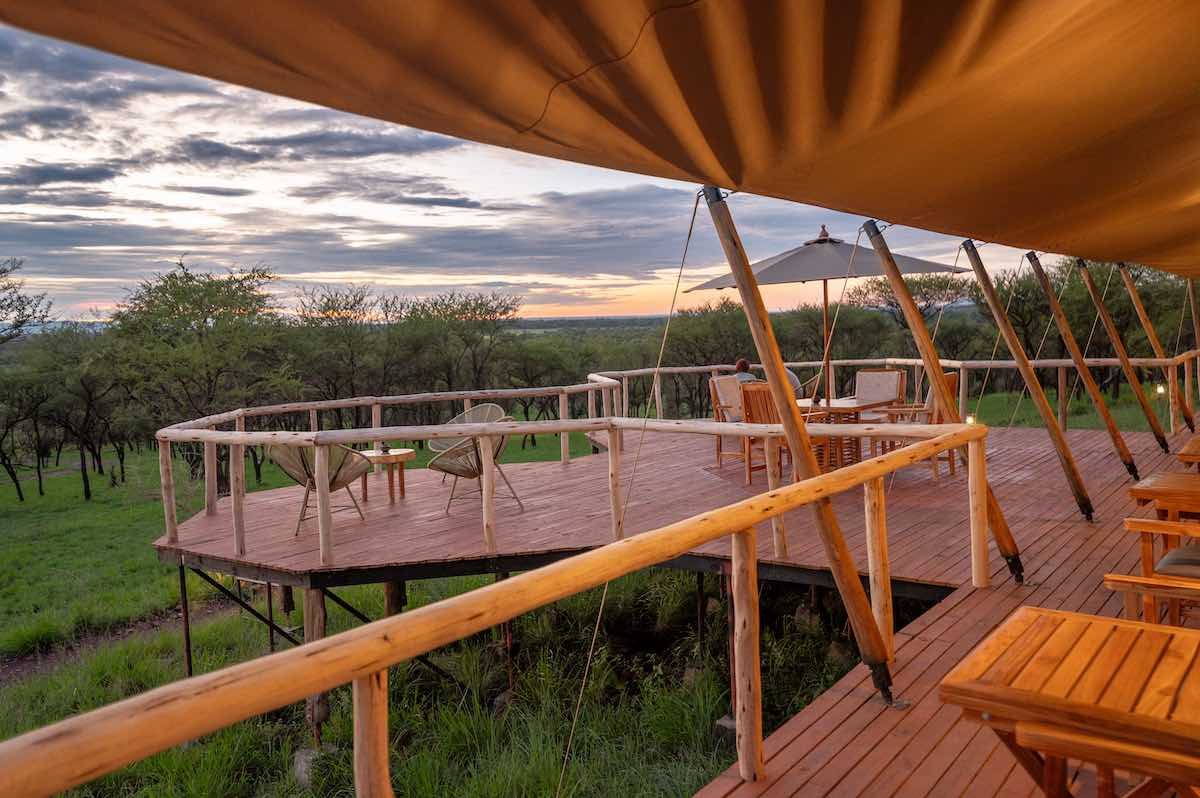
Our standard pick in the Serengeti is Tukaone Serengeti Camps — comfortable, well-run tented accommodation positioned for good access to central Serengeti game viewing without a premium price tag. It's the property most of our own safaris use for their Serengeti nights.
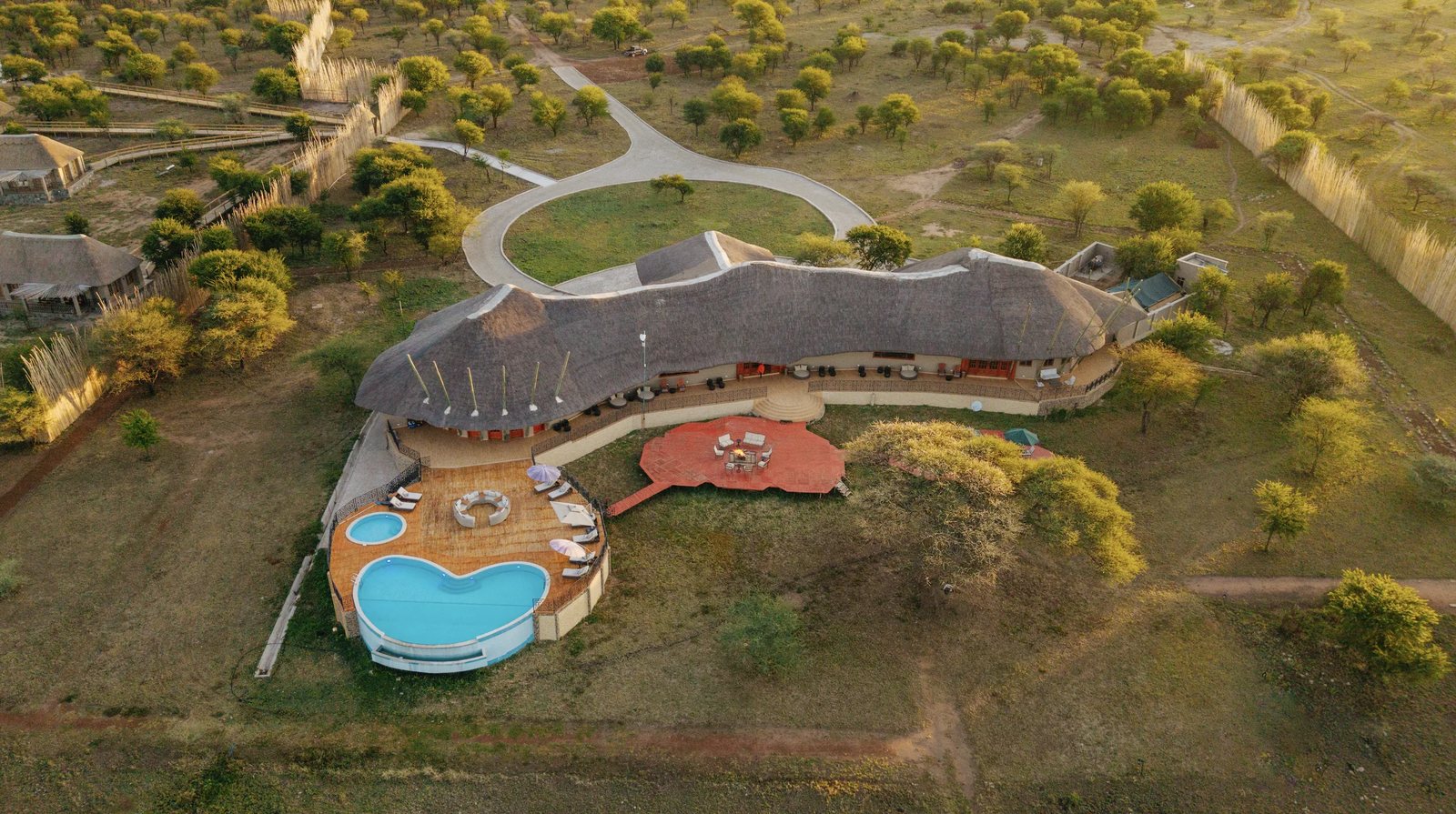
At the luxury tier we use Olkarien Eco Safari Camp, which steps up the comfort and privacy considerably while staying in the same central areas that give the best year-round game viewing, rather than trading access for a fancier tent.
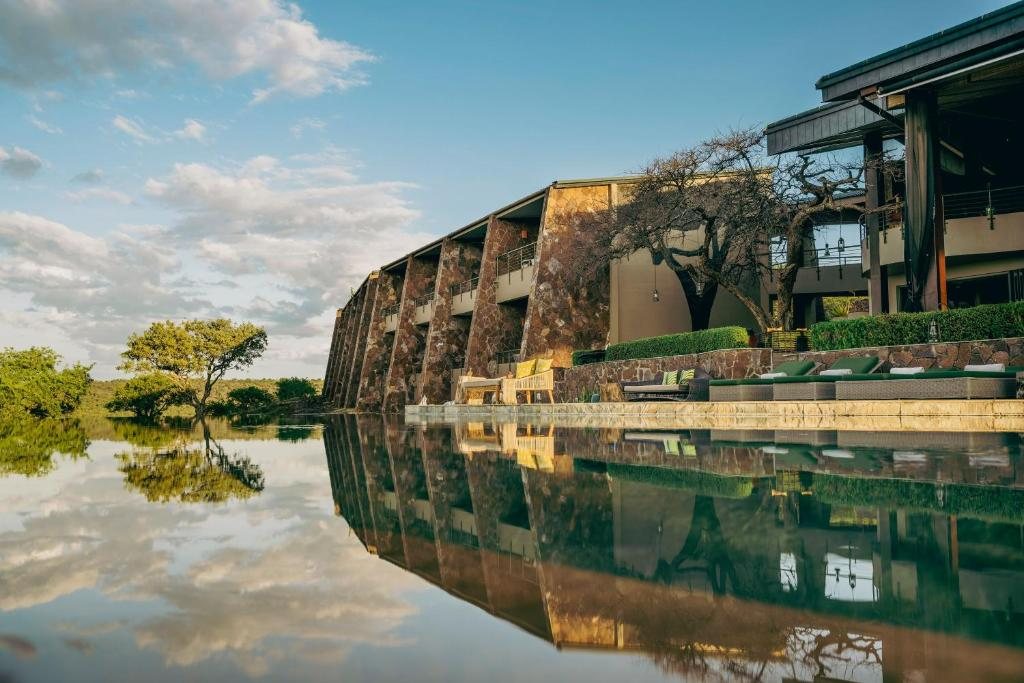
For travellers who want the top end, Melia Serengeti is our pick — including Savannah Panoramic rooms on some of our longer itineraries, for genuinely five-star comfort in the middle of the bush, with the game drives to match.
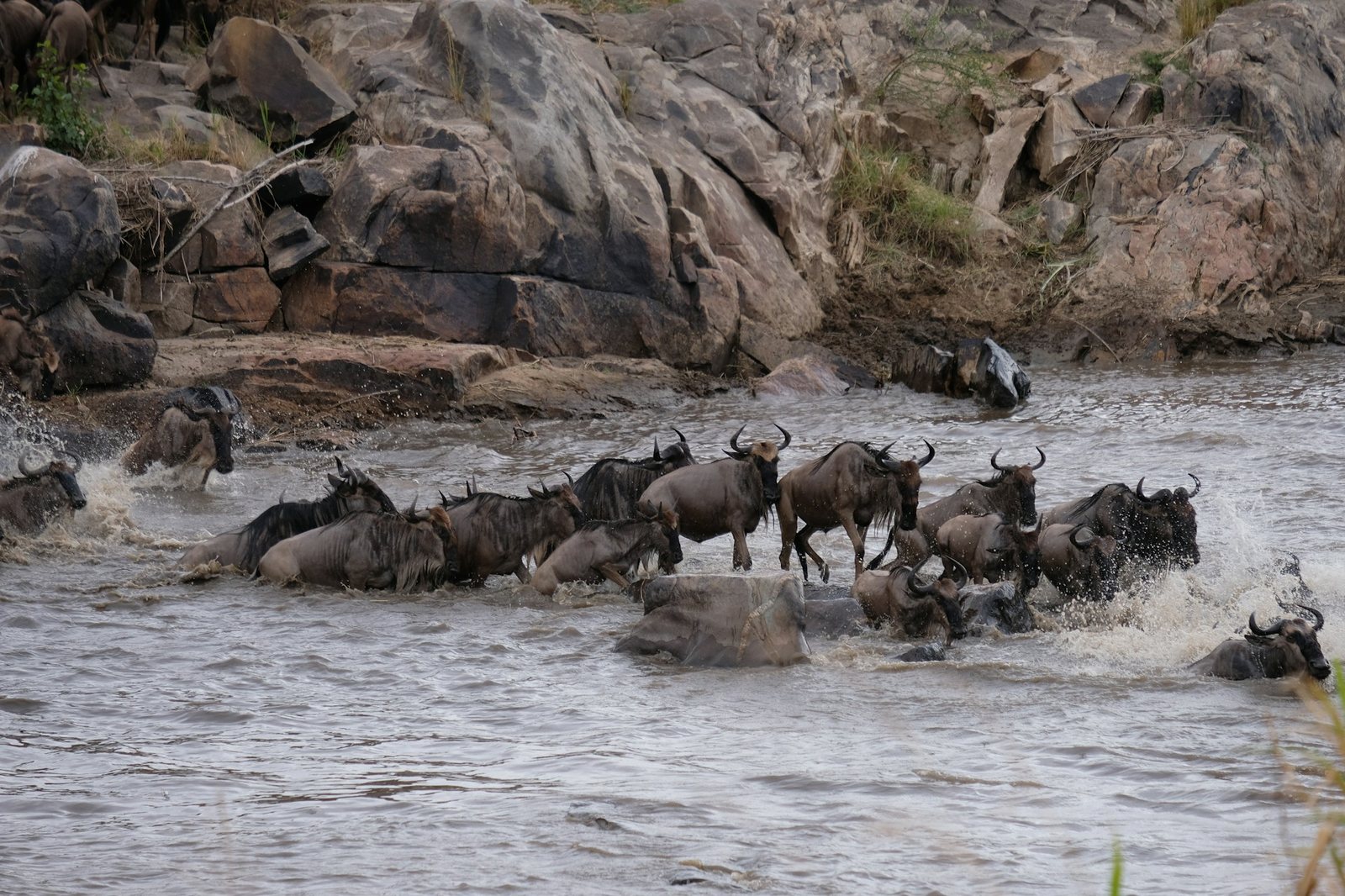
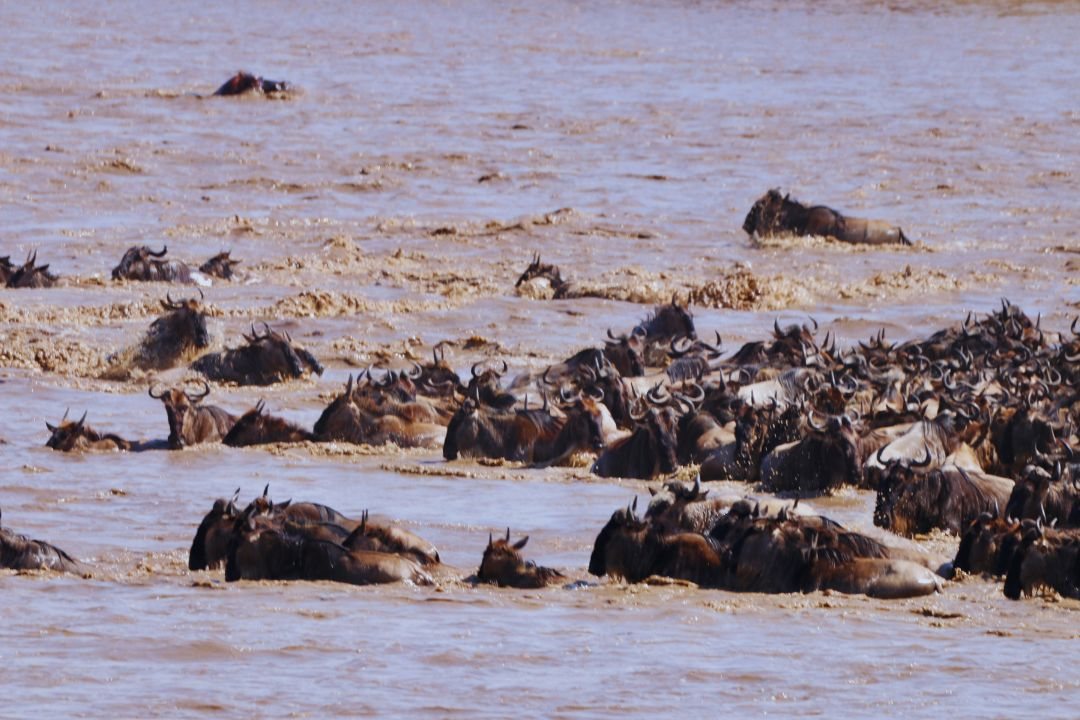
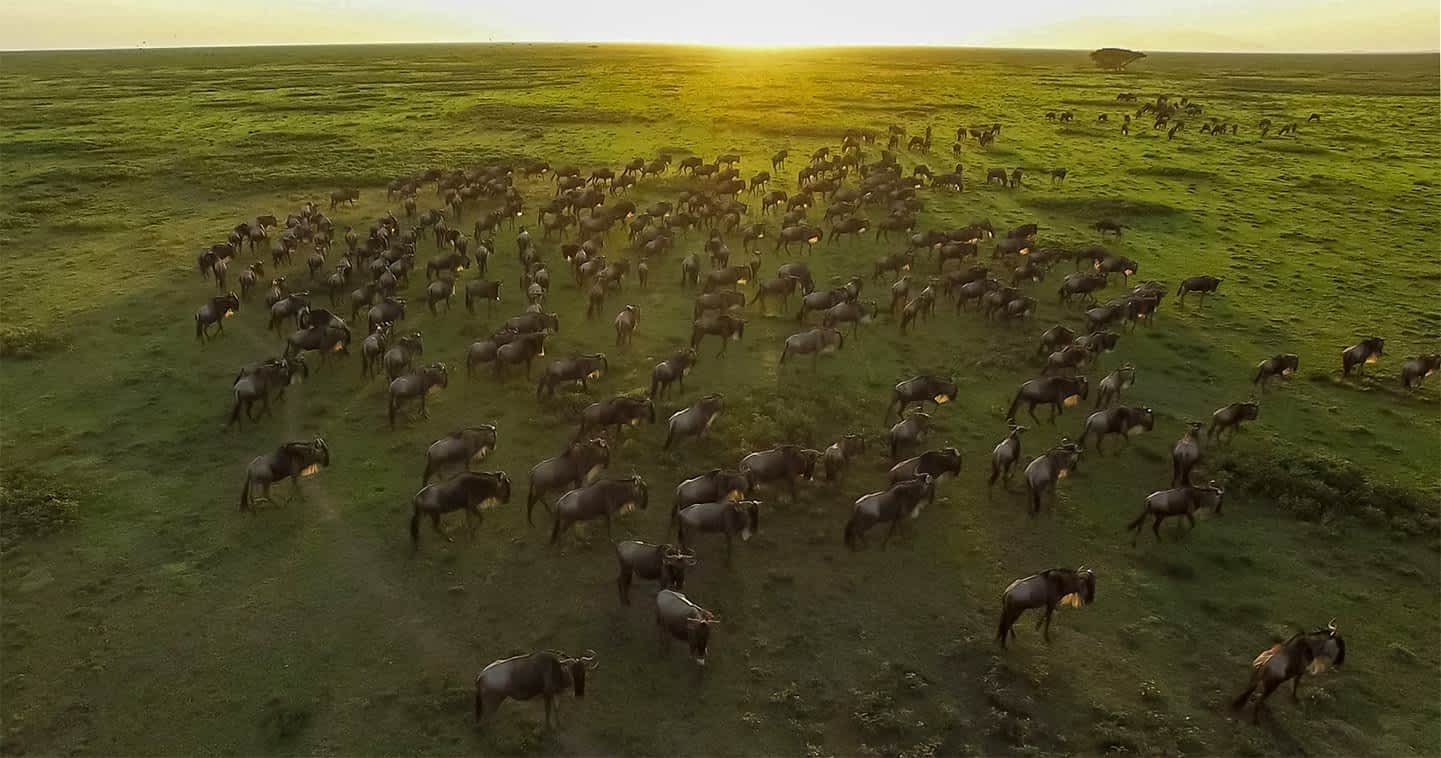
The Great Wildebeest Migration is the second-largest overland migration on Earth, involving between 1.4 and 2.5 million wildebeest, alongside zebra and other species, moving in a roughly circular clockwise journey through the Serengeti-Mara ecosystem. Rainfall drives the whole event, so exact timing shifts year to year, but the general pattern holds: calving on the southern plains between January and March, a push north through the central Serengeti and Grumeti Reserve from April to June, and the northern Serengeti's Mara River crossings from July through mid-October, before the herds begin their return south.
The Mara River crossings remain the most sought-after spectacle, with thousands of animals plunging into crocodile-infested water again and again, risking drowning and predation in scenes of extraordinary intensity. Roughly 250,000 wildebeest and 30,000 zebra die during the migration each year from predation, drowning and exhaustion — a brutal, unfiltered look at what actually sustains the ecosystem's predator populations.
Not every corner of Serengeti National Park is the same — here's how the areas differ
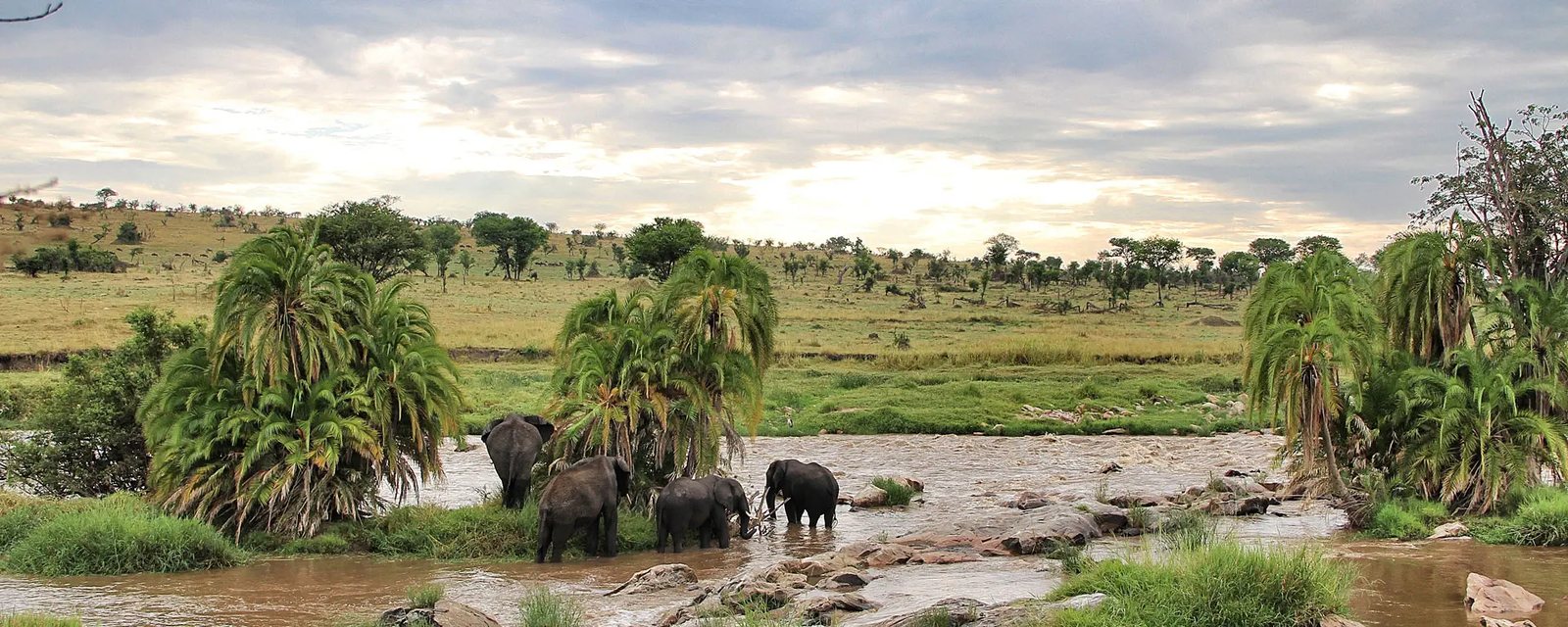
The northern Serengeti stretches roughly 100km from Seronera to the Kenyan border, gently rolling country broken by small rivers, hills and dramatic kopjes. This is where the Mara River crossings take place, typically from August to mid-October, drawing wildebeest and zebra across crocodile-infested water in scenes of genuine chaos. The further north you travel, the fewer vehicles you encounter — this remote stretch near the Kenyan border remains one of the quietest corners of the whole ecosystem.
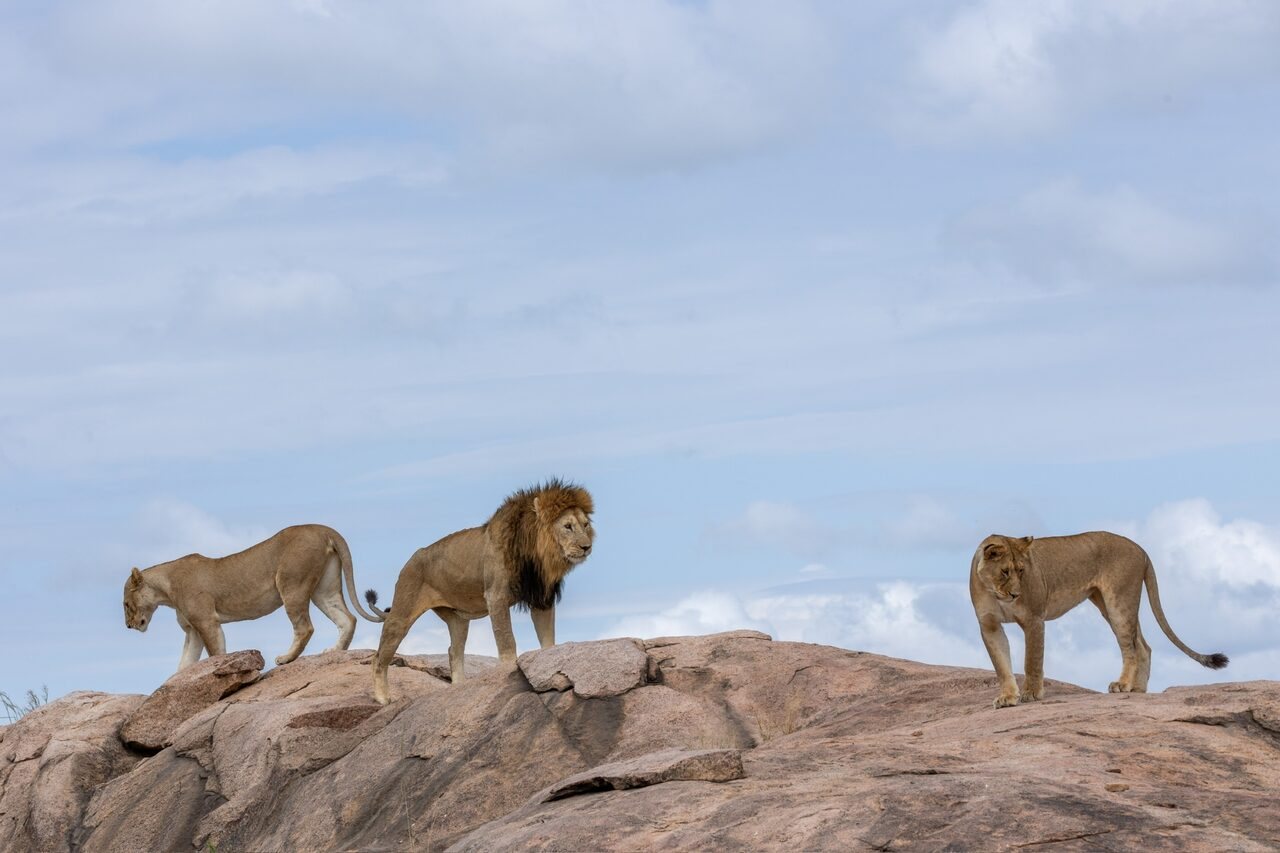
The central Serengeti, anchored by the Seronera Valley, is renowned for resident lion and leopard populations, making it excellent for feline sightings even outside migration months. Open plains, occasional kopjes and lines of hills add scenic interest, and resident wildlife here is phenomenal, sustained by permanent herbivore populations alongside passing migratory herds. Its central position gives reasonable access to both the southern plains and the western corridor for much of the year, though this accessibility comes at a cost — Seronera attracts considerably more vehicles than quieter corners of the park, particularly during the busier months of the dry season.
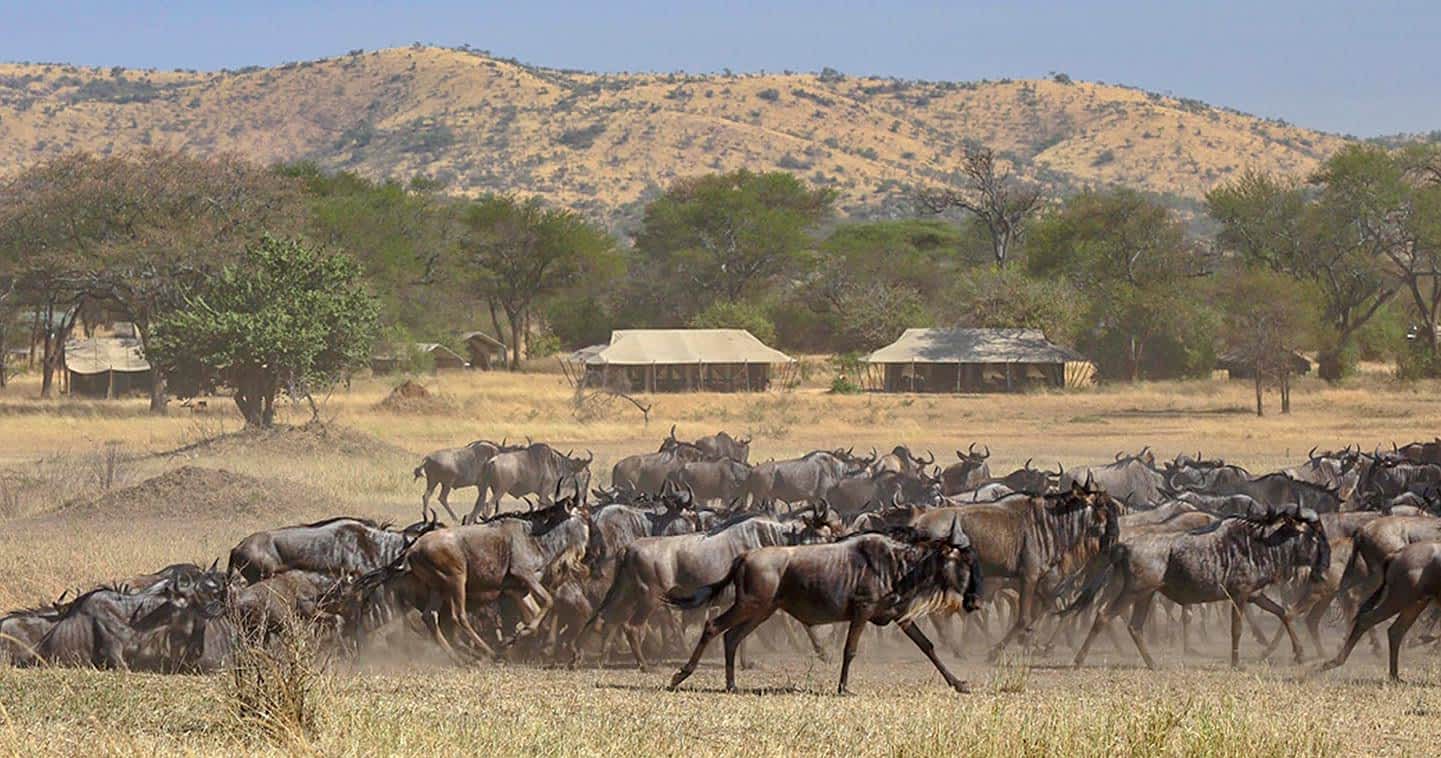
Stretching west almost to Lake Victoria, the Serengeti narrows into the Western Corridor, defined by the Grumeti and Mbalageti Rivers running roughly parallel, each supporting a band of evergreen riverine forest found nowhere else in the ecosystem. This sustains a strong permanent wildlife population, including plentiful zebra and wildebeest, resident predators, and forest specialists like colobus monkeys that depend on the denser tree cover. The migration typically passes through between May and July, pausing at the Grumeti River for crossings that, while less dramatic than those further north, still deliver real drama against a backdrop of Nile crocodiles and hippo pods.
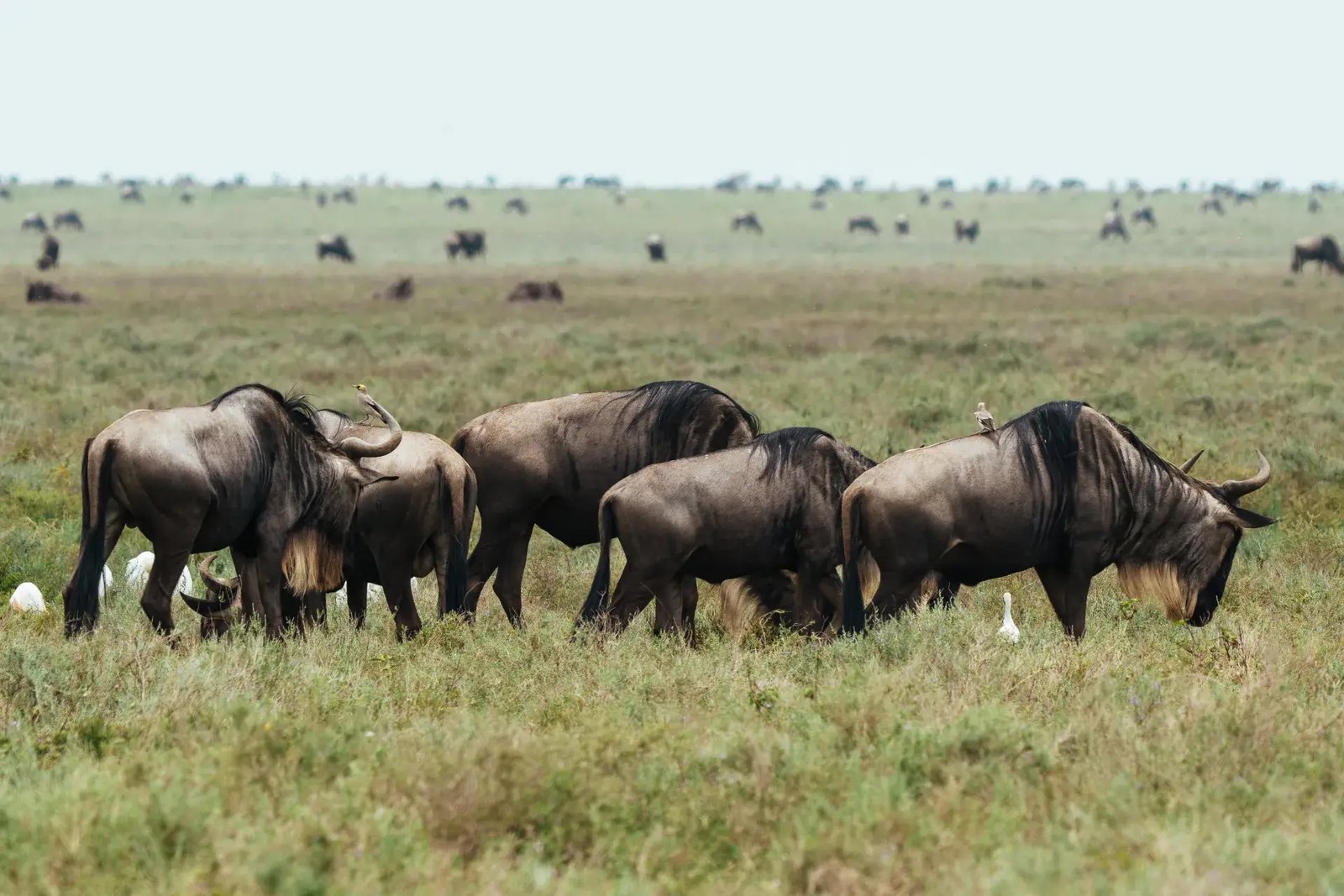
The southern short-grass plains, including the Ndutu area bordering the Ngorongoro Conservation Area, form the Serengeti's calving grounds. Fertile, ash-enriched volcanic soils support the short, nutrient-dense grasses that draw huge concentrations of wildebeest and zebra between December and March, when hundreds of thousands of calves are born in a two-to-three-week window. The synchronised birthing overwhelms resident lion, cheetah and hyena populations with more prey than they can consume, which paradoxically improves each individual calf's odds of survival despite the heavy predation on display. Open, flat terrain makes this some of the clearest wildlife viewing and photography country anywhere in the ecosystem.
The Serengeti doesn't really have an off-season — it has phases. Rainfall, not temperature, is the variable that shapes a safari here, and each month brings the migrating herds to a different part of the ecosystem.
The short dry spell, with calving season peaking in February on the southern plains around Ndutu, where hundreds of thousands of wildebeest calves are born within a two-to-three-week window.
The long rains arrive, pushing herds north through the central Serengeti as mating season gets underway; April is typically the wettest month of the year.
The dry season begins, and the western corridor's Grumeti River sees its first crossings of the annual cycle as the herds gather momentum heading north.
Peak season, with the north's dramatic Mara River crossings drawing the largest predator activity and visitor numbers of the year.
The short rains trigger the herds' return journey south through the central Serengeti, arriving back on the southern plains ready to begin the cycle again.
From initial planning to the final drop-off, our 5-day safari through Serengeti was flawless — our guide Isaya was a true miracle worker on the road.
— Yiling F, TripAdvisorEverything went smoothly from start to finish. We saw the Big Five, two wildebeest migrations, and even a pair of rhinoceros crossing right in front of our vehicle.
— Irina N, TripAdvisorOur guide Isaya was so knowledgeable and experienced, meaning we got to see every animal we wanted — made our honeymoon unforgettable.
— Angus P, TripAdvisorOther parts of northern Tanzania worth knowing about
Fill in the form below and our team will get back to you within 24 hours with a customized itinerary and quote.
Our specialists will help you prepare every step of the way.
Receive a detailed, no-obligation itinerary and price breakdown within 24 hours.
Let salt&pepper safari plan your perfect trip to Serengeti National Park.